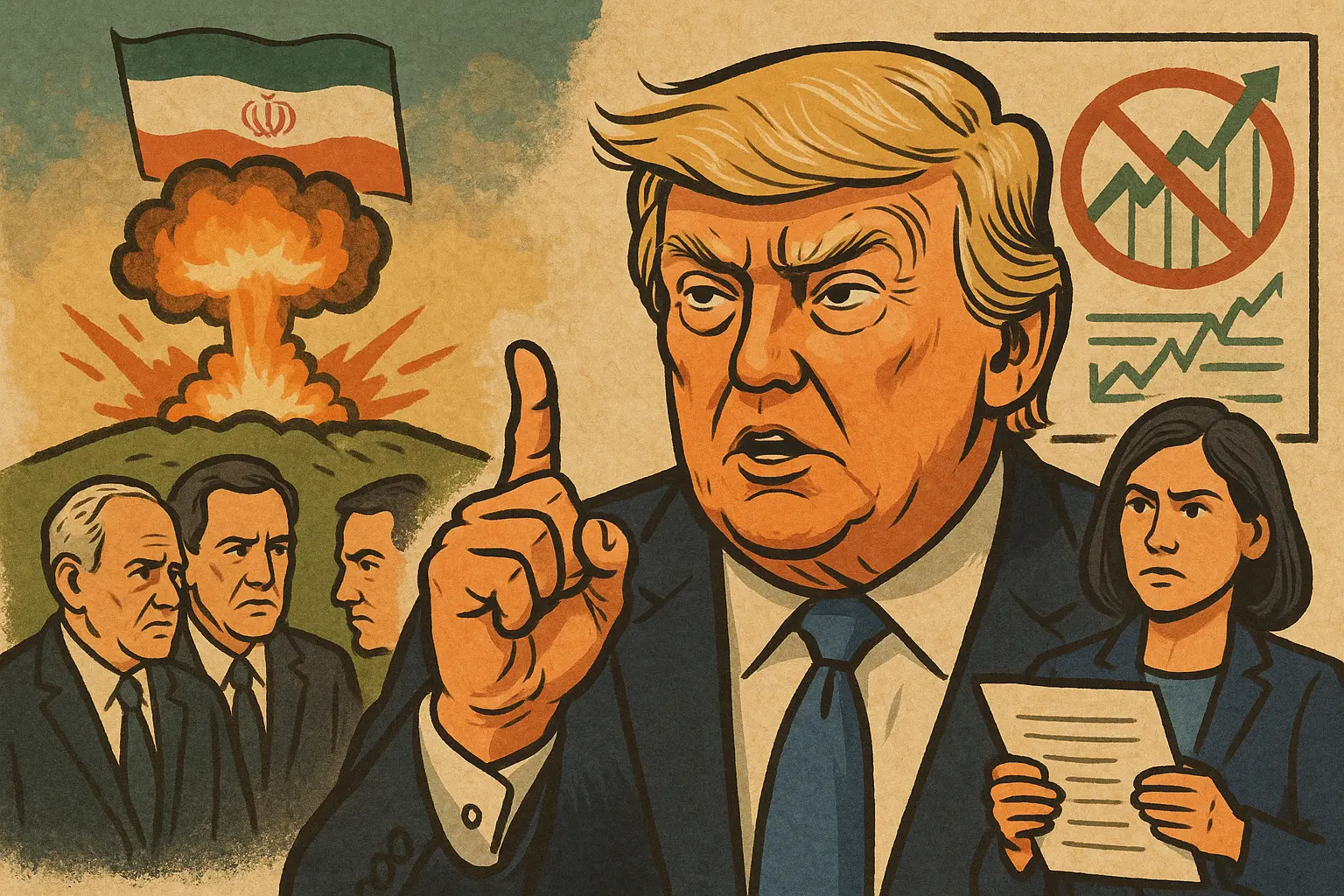
Democratic Senator Chris Murphy accused on Wednesday that someone was making precise bets on Polymarket’s prediction market regarding the exact timing of an Iran airstrike just before it happened, likely behind the scenes are individuals from Trump’s circle. Murphy and Democratic Congressman Mike Levin quickly drafted legislation to impose stricter regulations on prediction market platforms like Polymarket and Kalshi.
Precise Bets Before Iran Airstrike: A Comprehensive Analysis of Insider Trading Suspicion
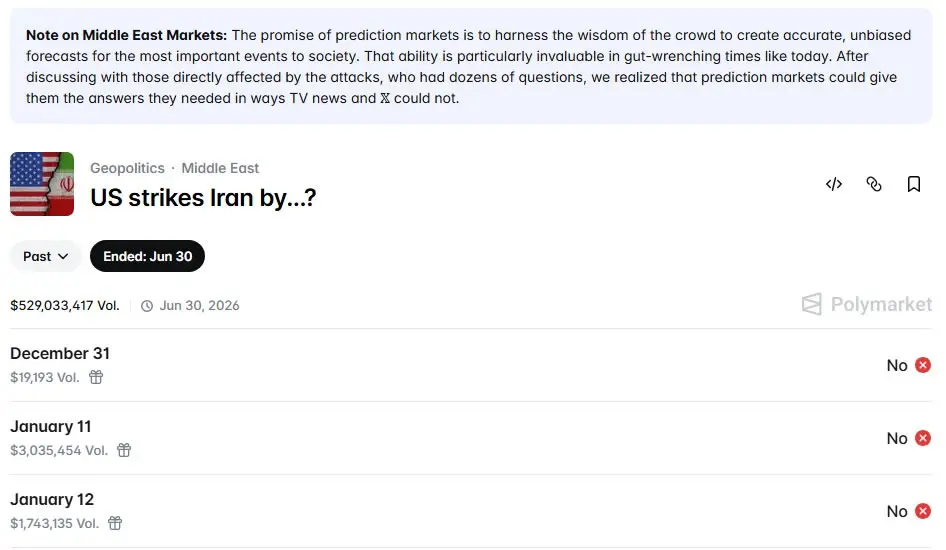
(Source: Polymarket)
On the eve of the Iran airstrike, suspicious trading patterns appeared on Polymarket. On Saturday, six newly created accounts placed highly targeted bets hours before reports of explosions in Tehran, accurately predicting the exact timing of a U.S.-Israel coalition airstrike on Iran, winning approximately $1 million. Murphy stated, “Obviously, people around Donald Trump knew what was going to happen on Saturday as early as Friday — those who placed bets are very likely to have insider information.”
Polymarket’s contracts related to a U.S.-Israel attack on Iran have so far traded over $529 million. Last month, another trader accurately bet on the timing of Venezuelan President Maduro’s arrest, earning about $400,000. Murphy believes these two incidents reveal a troubling pattern: non-public political information is being converted into financial gains through prediction markets.
Democratic Legislation: Why Current Commodity Laws Fail to Block War Bets
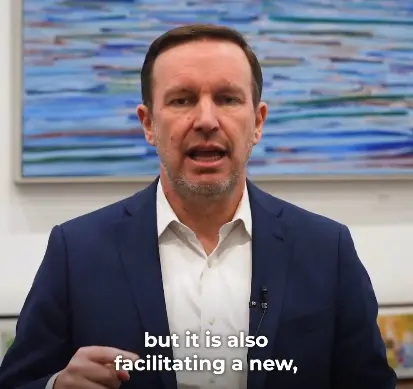
(Source: Chris Murphy X)
Congressman Levin clearly stated, “If someone uses advance knowledge of military actions to gain financial benefits, that’s absolutely illegal.” However, the current legal framework has multiple enforcement gaps:
Vague Definition of War Bets: While commodity laws prohibit contracts related to war and terrorism, there is no clear explanation whether “betting on the timing of military actions” falls under the ban.
“Contrary to Public Interest” Clause Is Ineffective: Levin pointed out that current rules give prediction markets too much discretion, making enforcement difficult in practice.
Account Verification Loopholes: New accounts can participate in high-stakes betting within a very short time, lacking effective mechanisms to monitor abnormal transactions.
Cross-Border Regulatory Challenges: Platforms like Polymarket operate across multiple jurisdictions, limiting the enforceability of single-country legislation.
The legislation is still in draft form, with the core goal of explicitly banning the use of non-public government military information for prediction market trading within the existing commodity law framework.
The Ethical Bottom Line of War Bets: Systemic Risks of Profiting from War
Murphy issued a fundamental warning beyond legal issues: “If people around Trump can make millions by betting on Iran’s airstrike, they have an incentive to push for military action — not based on strategic needs, but for financial gain.” He emphasized that allowing war bets to continue could structurally distort political decision-making, creating systemic incentives to “drive the country into war for profit.”
This criticism not only targets the specific case of Iran airstrike bets but also raises broader questions about the legitimacy of prediction markets in politically sensitive events, adding a new moral dimension to ongoing regulatory debates.
Frequently Asked Questions
Do bets on the Iran airstrike prediction market constitute insider trading under the law?
Current laws do not clearly define insider trading standards for prediction markets. Congressman Levin stated that betting on government non-public military actions is “absolutely illegal,” but enforcement requires proof of the non-public nature of information, the bettor’s knowledge, and causality, which presents high evidentiary challenges in judicial practice.
What specific impact would the Democratic legislation have on Polymarket and Kalshi?
If passed, the bill could require these platforms to impose stricter participation thresholds on military-related contracts, establish transparent account verification mechanisms, and report suspicious abnormal betting activities to regulators. Previously, Kalshi faced strong criticism over the settlement dispute of the Khamenei contract, and the new legislation would further increase compliance pressures on the prediction market industry.
Does current commodity law already prohibit war bets?
Current commodity laws include provisions banning contracts related to war, terrorism, and “contrary to public interest” events, but Levin pointed out that these rules give prediction markets excessive discretion. The core purpose of the Democratic draft is to clarify the scope of these provisions and establish more effective enforcement mechanisms to close existing regulatory loopholes.
Disclaimer: The information on this page may come from third parties and does not represent the views or opinions of Gate. The content displayed on this page is for reference only and does not constitute any financial, investment, or legal advice. Gate does not guarantee the accuracy or completeness of the information and shall not be liable for any losses arising from the use of this information. Virtual asset investments carry high risks and are subject to significant price volatility. You may lose all of your invested principal. Please fully understand the relevant risks and make prudent decisions based on your own financial situation and risk tolerance. For details, please refer to
Disclaimer.


