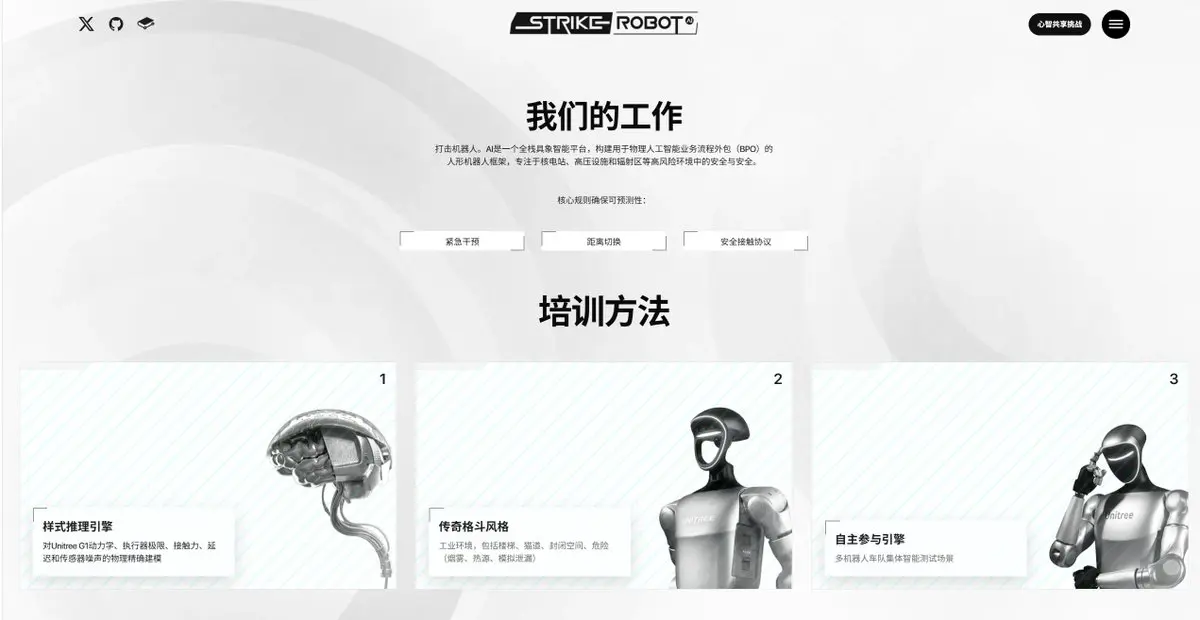
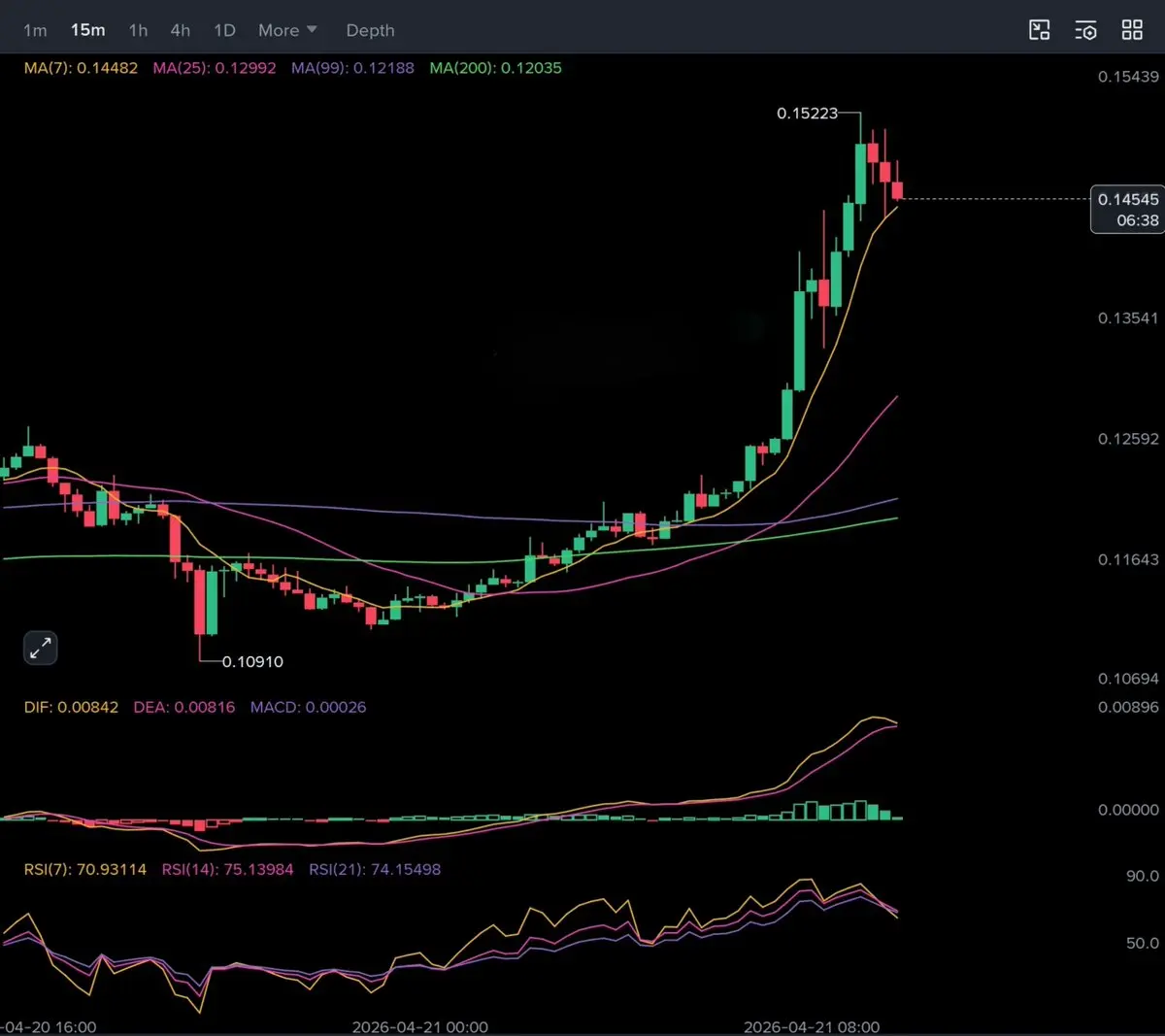
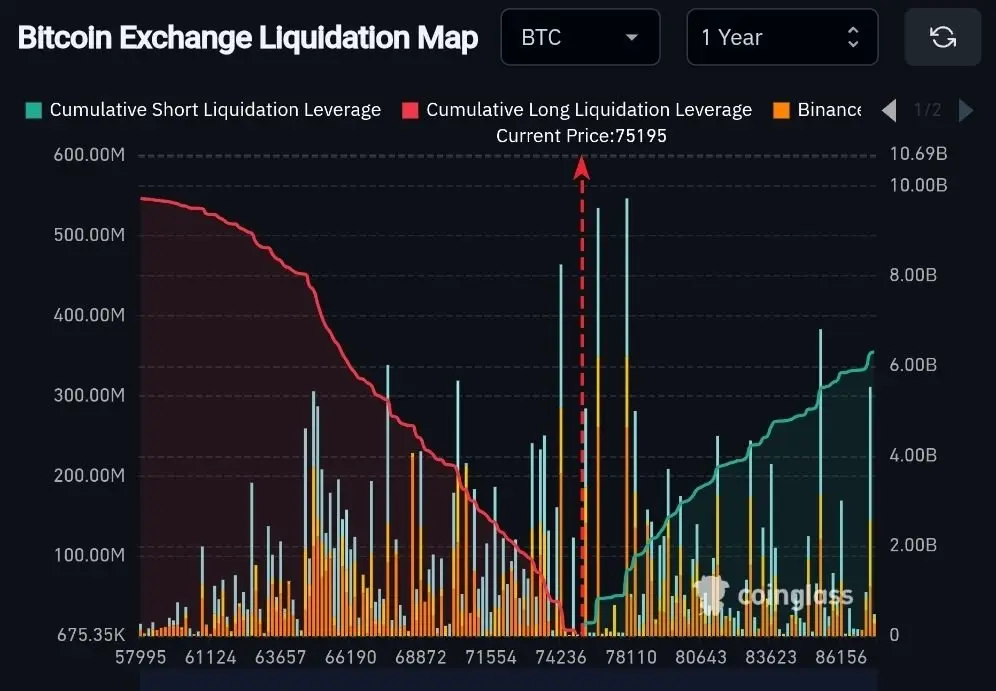
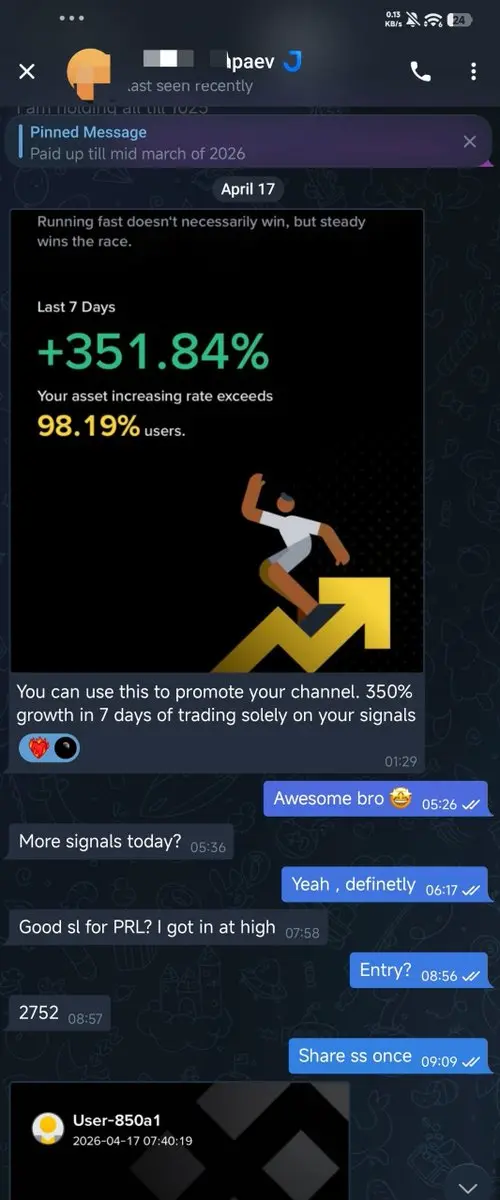
As Web3 steps into 2026, the nature of on-chain trading has undergone a fundamental transformation. If two or three years ago we were still discussing how to manually snatch a popular project's public sale or racing against others in liquidity pools by boosting our network speed, now trading has completely become a game of algorithms versus algorithms, proxies versus proxies. Against this backdrop, the emergence of @StrikeRobot_ai is not just an upgrade of tools; it signifies a deep shift in trading logic from "execution-driven" to "intelligence-driven."
Early trading bots were essentially scripts with preset logic. They executed the simplest "If-Then" logic: if a certain contract is detected to be released, then buy; if the price reaches a certain threshold, then sell. This logic might have been effective during early liquidity explosions, but in the highly complex market environment of 2026, such single scripts are no longer viable. Today’s market is filled with sophisticated MEV strategies, false social media hype, and rapidly shifting liquidity frontiers.
The core competitiveness of @StrikeRobot_ai lies in its introduction of a genuine AI decision layer. It is no longer merely passively waiting for instructions but actively modeling real-time on-chain data to understand the "intent" behind trades. This means users no longer need to study complex contract parameters or manually adjust gas fees; AI agents will automatically find the optimal execution path based on the user’s risk preferences and target returns. This transition from "manual control" to "autonomous driving" marks a milestone in the maturity of Web3 infrastructure.
For seasoned traders, the most challenging aspect is often not technical operation but filtering out massive noise. On social media (especially X), information overload results in a very high noise ratio. When a project is heavily discussed, is it genuine community enthusiasm or organized bot-driven hype?
@StrikeRobot_ai’s deep value lies in its quantification and analysis of social sentiment. By integrating large language models to process real-time social media data, it can identify which projects have true community consensus and which are just fleeting bubbles. Coupled with on-chain fund flows—especially the movements of wallets known as "smart money"—it can provide users with relatively objective investment advice. The ability to combine social signals with on-chain data is highly lethal in today’s PvP market.
The security risks of on-chain trading did not disappear in 2026; they have become more covert. Rug pulls have evolved to include extremely complex exit logic embedded in smart contracts. Traditional anti-rug pull bots often only react when project teams initiate withdrawal transactions, but in high-frequency trading environments, such reaction speeds are often insufficient.
@StrikeRobot_ai demonstrates its infrastructure-level depth in this area. Its security module not only scans for common backdoors in contract code but, more importantly, monitors liquidity pool depth and buy-sell ratios at millisecond intervals to preempt potential sell-offs. When danger is imminent, AI can send withdrawal commands via private RPC nodes (such as Jito or similar MEV protection channels). This "predictive defense" greatly enhances retail traders’ survival rate during extreme market volatility.
The future under intent-centric architecture
We often discuss the mass adoption of Web3, but if the barrier to on-chain interaction remains so high, that day will never arrive. The significance of @StrikeRobot_ai is not just in helping people make money but in greatly simplifying user interaction through an intent-centric design.
The future trading scenario should be: you only need to tell AI your target asset range and risk tolerance, and everything else—from discovering targets, auditing security, configuring positions, to automatic take-profit and stop-loss—will be handled by AI agents. @StrikeRobot_ai has deeply explored this direction. It makes trading no longer a tedious technical task but a strategic intellectual game.
In summary, @StrikeRobot_ai’s positioning is very clear: it is an integrated platform combining AI intelligence with ultra-fast execution. As decentralized finance shifts from floating interest rate models to more complex term structures, and as RWA (real-world assets) become highly integrated with on-chain assets, this kind of "deep thinking" trading robot will become an indispensable right-hand for every serious trader.
For anyone trying to seize opportunities in this rapidly evolving market, understanding and leveraging such tools may be more important than studying projects themselves. Because in 2026, winners are not just those who understand the trends but those who master the most powerful tools capable of instantly turning trends into profits.
Early trading bots were essentially scripts with preset logic. They executed the simplest "If-Then" logic: if a certain contract is detected to be released, then buy; if the price reaches a certain threshold, then sell. This logic might have been effective during early liquidity explosions, but in the highly complex market environment of 2026, such single scripts are no longer viable. Today’s market is filled with sophisticated MEV strategies, false social media hype, and rapidly shifting liquidity frontiers.
The core competitiveness of @StrikeRobot_ai lies in its introduction of a genuine AI decision layer. It is no longer merely passively waiting for instructions but actively modeling real-time on-chain data to understand the "intent" behind trades. This means users no longer need to study complex contract parameters or manually adjust gas fees; AI agents will automatically find the optimal execution path based on the user’s risk preferences and target returns. This transition from "manual control" to "autonomous driving" marks a milestone in the maturity of Web3 infrastructure.
For seasoned traders, the most challenging aspect is often not technical operation but filtering out massive noise. On social media (especially X), information overload results in a very high noise ratio. When a project is heavily discussed, is it genuine community enthusiasm or organized bot-driven hype?
@StrikeRobot_ai’s deep value lies in its quantification and analysis of social sentiment. By integrating large language models to process real-time social media data, it can identify which projects have true community consensus and which are just fleeting bubbles. Coupled with on-chain fund flows—especially the movements of wallets known as "smart money"—it can provide users with relatively objective investment advice. The ability to combine social signals with on-chain data is highly lethal in today’s PvP market.
The security risks of on-chain trading did not disappear in 2026; they have become more covert. Rug pulls have evolved to include extremely complex exit logic embedded in smart contracts. Traditional anti-rug pull bots often only react when project teams initiate withdrawal transactions, but in high-frequency trading environments, such reaction speeds are often insufficient.
@StrikeRobot_ai demonstrates its infrastructure-level depth in this area. Its security module not only scans for common backdoors in contract code but, more importantly, monitors liquidity pool depth and buy-sell ratios at millisecond intervals to preempt potential sell-offs. When danger is imminent, AI can send withdrawal commands via private RPC nodes (such as Jito or similar MEV protection channels). This "predictive defense" greatly enhances retail traders’ survival rate during extreme market volatility.
The future under intent-centric architecture
We often discuss the mass adoption of Web3, but if the barrier to on-chain interaction remains so high, that day will never arrive. The significance of @StrikeRobot_ai is not just in helping people make money but in greatly simplifying user interaction through an intent-centric design.
The future trading scenario should be: you only need to tell AI your target asset range and risk tolerance, and everything else—from discovering targets, auditing security, configuring positions, to automatic take-profit and stop-loss—will be handled by AI agents. @StrikeRobot_ai has deeply explored this direction. It makes trading no longer a tedious technical task but a strategic intellectual game.
In summary, @StrikeRobot_ai’s positioning is very clear: it is an integrated platform combining AI intelligence with ultra-fast execution. As decentralized finance shifts from floating interest rate models to more complex term structures, and as RWA (real-world assets) become highly integrated with on-chain assets, this kind of "deep thinking" trading robot will become an indispensable right-hand for every serious trader.
For anyone trying to seize opportunities in this rapidly evolving market, understanding and leveraging such tools may be more important than studying projects themselves. Because in 2026, winners are not just those who understand the trends but those who master the most powerful tools capable of instantly turning trends into profits.