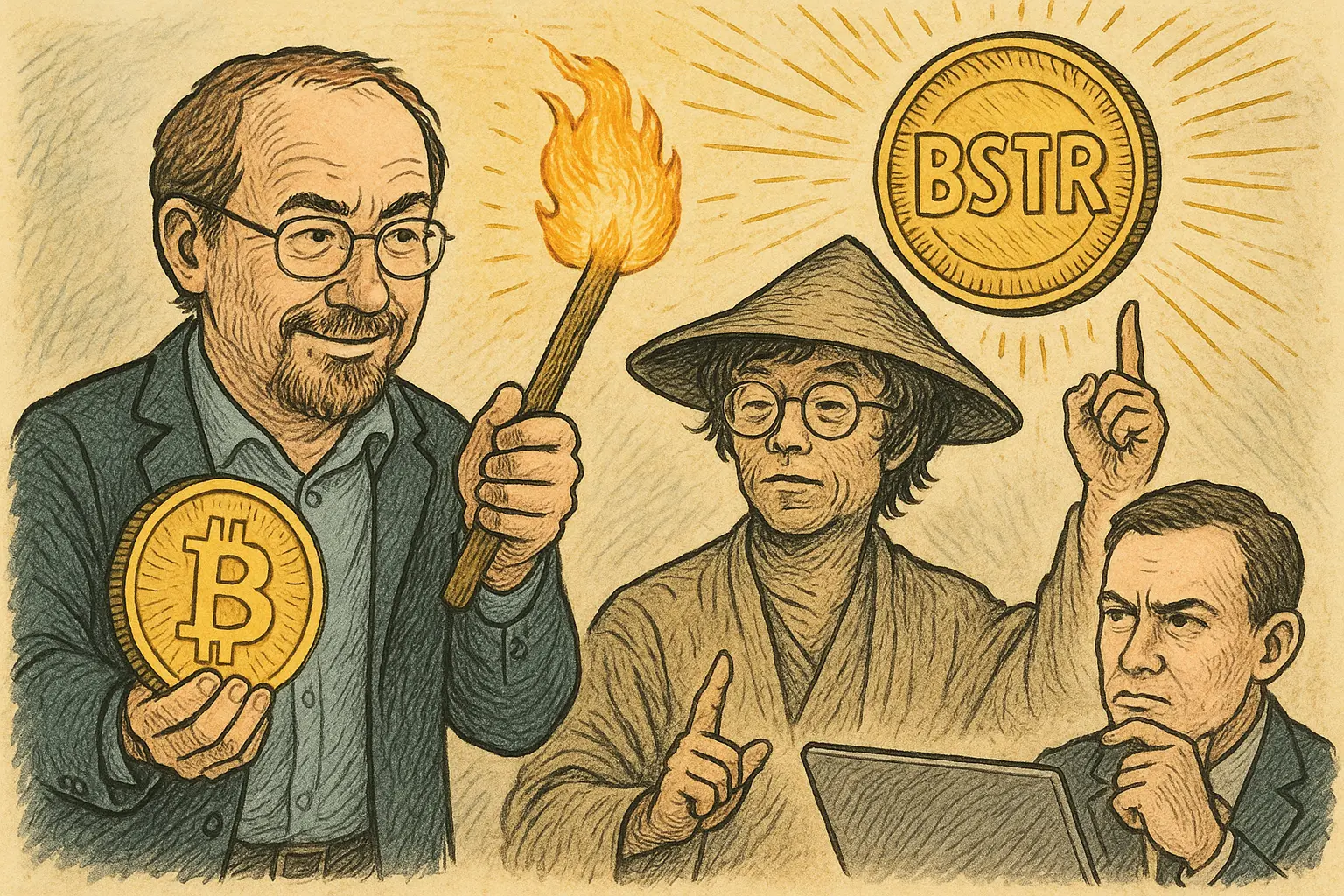
A report by The New York Times that lists Blockstream CEO Adam Back as the most likely candidate for Satoshi Nakamoto sparked widespread attention, but several industry analysts also noted a curious detail: the timing of Back’s photo session with a New York Times photographer occurred weeks before the report was published, and his Bitcoin treasury company BSTR is currently at a critical point in its SPAC merger and going-public process.
Photo details raise questions: Back’s interview coordination was not passive
The investigative reporter John Carreyrou, who wrote the piece, said Back had proactively agreed weeks before the report was released to have photos taken for The New York Times in Miami. This detail challenges the prevailing view that Back “passively accepted the interview,” making this highly watched Satoshi Nakamoto report especially worth examining from a timing perspective.
The industry’s core question is this: whether Back intentionally set things up or simply willingly went along, the global media spotlight on Satoshi Nakamoto genuinely turned on right on schedule during the exact time period when BSTR most needed market attention. Analysts noted that identifying someone as a “Satoshi Nakamoto candidate” has extremely high dissemination value in the media ecosystem, and subsequent global follow-up coverage has given BSTR substantial organic exposure without any advertising investment.
BSTR’s listing plan: a record-scale Bitcoin treasury instrument
BSTR plans to go public by merging with Cantor Equity Partners I through a SPAC merger. The deal includes $1.5 billion in private equity funding (PIPE), setting a new all-time high for PIPE financings involving Bitcoin treasury instruments.
Core elements of the BSTR SPAC merger deal
Merger counterpart: Cantor Equity Partners I, a SPAC shell company affiliated with financial firm Cantor Fitzgerald
PIPE financing size: $1.5 billion, the largest PIPE financing record for Bitcoin treasury instruments announced to date
Expected bitcoin holdings: more than 30,000 bitcoins held at the time of listing, placing it among the world’s largest public Bitcoin treasuries
Milestones pending: still needs to pass review by the U.S. Securities and Exchange Commission (SEC) and approval by shareholders
The merger was originally planned to be completed in the first quarter of 2026, but SEC review procedures could push the final timeline to the end of this quarter.
A strategy of ambiguity around Satoshi’s identity: the business logic of a topic’s life cycle
Back has never officially confirmed or denied that he is Satoshi Nakamoto. This deliberate ambiguity actually extends the life cycle of media attention. Every wave of discussion about whether “Adam Back is Satoshi Nakamoto” brings BSTR another round of brand exposure, and the company doesn’t need to speak up proactively or allocate a promotional budget.
During the sensitive window for a SPAC merger, managing media exposure is typically constrained by SEC-related rules. There is currently no sign that BSTR has violated any existing disclosure obligations, but the debate it has triggered in the market environment has become an unavoidable public-relations topic for this listing plan.
Frequently asked questions
Has Adam Back been confirmed as Satoshi Nakamoto?
There is currently no definitive public evidence confirming that Adam Back is Bitcoin’s founder, Satoshi Nakamoto. The New York Times lists him as the “most likely candidate.” Back himself has neither officially confirmed nor clearly denied it. The real identity of Satoshi Nakamoto remains the biggest unresolved mystery in the crypto industry to date.
How is the BSTR SPAC merger deal progressing right now?
BSTR is moving forward with Cantor Equity Partners I on the SPAC merger. The deal includes $1.5 billion in PIPE financing and, after listing, is expected to hold more than 30,000 bitcoins in total. The merger was originally set to be completed in the first quarter of 2026, but it still needs SEC review and shareholder approval, so there is a possibility of delays to the specific timeline.
Would coordinating media interviews violate SPAC listing-period information disclosure requirements?
During a SPAC merger, an issuer’s media communications are typically regulated by SEC-related rules. There is currently no sign that BSTR has violated any existing disclosure obligations. Analysts’ comments focus on the business benefits of timing rather than legal compliance issues.
Disclaimer: The information on this page may come from third parties and does not represent the views or opinions of Gate. The content displayed on this page is for reference only and does not constitute any financial, investment, or legal advice. Gate does not guarantee the accuracy or completeness of the information and shall not be liable for any losses arising from the use of this information. Virtual asset investments carry high risks and are subject to significant price volatility. You may lose all of your invested principal. Please fully understand the relevant risks and make prudent decisions based on your own financial situation and risk tolerance. For details, please refer to
Disclaimer.


