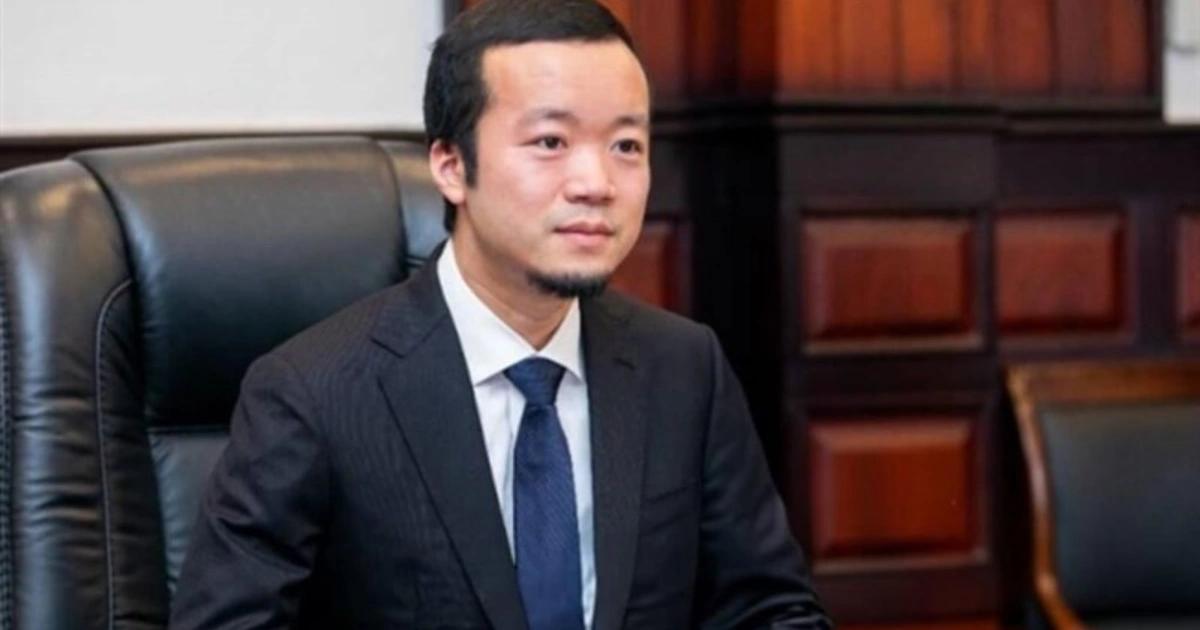
Taipei District Prosecutors Office announced yesterday (4th) that they have concluded the investigation into the Prince Group’s cross-border money laundering case in Cambodia, charging 62 individuals and 13 companies. Among them, 9 are in custody, and assets including luxury homes, cars, and financial accounts worth over NT$5.5 billion have been seized. Prosecutors found that the group laundered over NT$10.7 billion through online gambling platforms, underground remittance, and overseas companies.
U.S. Charges and Sanctions as Key Turning Points
Prosecutors stated that the Prince Group, led by Chen Zhi, has long engaged in fraud and online gambling crimes in Cambodia, establishing a large international corporate network for money laundering. In October 2025, U.S. federal prosecutors filed criminal charges against Chen Zhi and others in the Eastern District of New York. The U.S. Department of the Treasury’s Office of Foreign Assets Control (OFAC) also sanctioned nine companies and three nationals associated with the Prince Group in Taiwan.
Following the announcement, the Taipei Prosecutors Office proactively assigned cases and launched joint investigations across departments, marking a significant breakthrough in dismantling this transnational criminal organization.
Nine Years of Money Laundering totaling NT$10.7 Billion: International Business Operations
Investigations revealed that the Prince Group had established multiple companies in Taiwan since 2016, gradually building a corporate-style criminal structure. These companies appeared to be involved in technology, customer service, or gaming-related businesses but were actually providing technical and operational support for online gambling platforms, laundering proceeds from scams through fund flows.
In addition to gambling platforms, the group built a vast network of overseas companies. Prosecutors indicated that the group set up over 250 offshore companies across 18 countries, using fictitious contracts and cross-border remittances to transfer funds, masking the true source of the money with complex corporate structures.
In the final stages of fund transfer, the group combined cryptocurrencies with underground remittance services. Prosecutors pointed out that the group developed a virtual asset tool called “OJBK Wallet,” which exchanged cryptocurrencies for cash through underground remittance channels, then transferred the funds into Taiwan. These funds were subsequently used to purchase luxury homes, cars, and various luxury goods, serving as tools for capital storage and value transfer.
Luxury Homes as Money Laundering Hubs: Heping Dayuan Luxury Community
One of the most notable cases involves the luxury community “Heping Dayuan” in Taipei. Prosecutors stated that Chen Zhi directed members to establish eight shell companies and purchase luxury homes under fake shareholder names to funnel criminal proceeds into Taiwan. The case involves 11 luxury homes and 48 parking spaces. The funds were first transferred through a parent company established in Singapore and then disguised through fictitious leasing or loan agreements.
Taipei Prosecutors Seize 24 Properties and 35 Supercars Worth Over NT$5 Billion
The seized assets include:
- 24 properties valued at approximately NT$3.98 billion.
- 35 supercars and luxury vehicles valued at about NT$1.1 billion.
- 337 bank accounts with a total balance of around NT$440 million.
Additionally, a large number of luxury bags, cigars, and other high-end goods were confiscated. Some of the luxury cars and goods have been auctioned off, raising over NT$438 million.
Prosecutors Seek Maximum Penalties for Chen Zhi
Prosecutors stated that the Prince Group operates as a corporate-style transnational crime enterprise, laundering large amounts of fraud and gambling proceeds into Taiwan, severely disrupting financial order and damaging Taiwan’s international reputation. Therefore, they are seeking the maximum statutory penalties for key members. Chen Zhi, the group’s leader, faces the highest possible sentence; a senior officer in Taiwan, surnamed Lee, is facing over 20 years and a fine of NT$250 million; the fund management supervisor faces over 18 years, with several other key members sentenced to 10-16 years.
Currently, three defendants remain at large and have been issued arrest warrants. Investigations into other related criminal activities are ongoing.
- This article is reprinted with permission from: 《Chain News》
- Original Title: “Taipei Prosecutors Conclude Prince Group Case: Seize NT$5.5 Billion Luxury Homes and Cars, Seek Maximum Penalties for Chen Zhi”
- Original Author: Neo
Disclaimer: The information on this page may come from third parties and does not represent the views or opinions of Gate. The content displayed on this page is for reference only and does not constitute any financial, investment, or legal advice. Gate does not guarantee the accuracy or completeness of the information and shall not be liable for any losses arising from the use of this information. Virtual asset investments carry high risks and are subject to significant price volatility. You may lose all of your invested principal. Please fully understand the relevant risks and make prudent decisions based on your own financial situation and risk tolerance. For details, please refer to
Disclaimer.
Related Articles
U.S. Treasury Report Proposes AML rules for DeFi Sector
U.S. Department of the Treasury recommended AML and counter-terror financing rules for DeFi platforms.
The report proposes a digital asset “hold law” allowing institutions to freeze suspicious crypto funds during
CryptoFrontNews1h ago
A mainland Chinese businessman in Hong Kong was illegally detained and extorted, losing over 6 million HKD worth of cryptocurrency and silver.
Gate News Report, March 8 — A 25-year-old mainland businessman reported being illegally confined and extorted by four mainland men at a hotel in Hung Hom, Hong Kong. The suspects assaulted the victim and forced him to provide his cryptocurrency password, then transferred approximately $680,000 worth of cryptocurrency. The suspects then went to the victim's company to take about 42 kilograms of silver goods, with total losses exceeding HKD 6 million. The victim was released in the early hours and reported the case, suffering injuries to the face, arms, and calves. The case is currently classified as illegal confinement and extortion, and is under investigation by the Kowloon City Criminal Investigation Division.
GateNews1h ago
Seattle Court Sentences Former CFO for Unauthorized $35M Cryptocurrency Gamble
Nevin Shetty, the former senior executive of startup Fabric, has been sentenced to two years in prison for a $35 million wire fraud scheme involving a high-risk cryptocurrency gamble.
A Secret Side-Business
A former chief financial officer’s (CFO) attempt to turn his employer’s treasury into a
Coinpedia5h ago
People's Bank of China Governor Pan Gongsheng: Maintain high-pressure efforts to crack down on illegal financial activities such as virtual currency speculation
People's Bank of China Governor Pan Gongsheng stated at the National People's Congress that over the past year, China's financial risks have been effectively controlled, and the financial market has operated stably. In the future, efforts will continue to crack down on illegal financial activities, maintain financial stability, assess the impact of external shocks, and implement policy measures to manage risks.
GateNews5h ago
Cryptocurrency lending platform BlockFills seeks restructuring after suspension of withdrawals, faces customer lawsuit
BlockFills seeks restructuring advice from consulting firm BRG and appoints Mark Renzi as Chief Transformation Officer, aiming to complete the restructuring, inject new capital, and implement governance controls. The company recently paused deposits and withdrawals due to market volatility and is facing legal proceedings.
GateNews8h ago
U.S. judge dismisses terror-related lawsuit against a CEX, allowing the plaintiff 60 days to supplement evidence and refile.
A Manhattan judge in the United States dismissed a civil lawsuit against a certain CEX and its founders due to the plaintiff's failure to provide sufficient evidence linking trading activities directly to terrorist attacks. The judge allowed the plaintiff to submit a revised complaint within 60 days.
GateNews8h ago


