#OilBreaks110
Hashtag #OilBreaks110 báo hiệu một kịch bản sốc vĩ mô lớn khi giá dầu thô tăng trên 110 đô la, thường do gián đoạn nguồn cung, leo thang địa chính trị hoặc rủi ro hạ tầng năng lượng.
---
📊 Ý nghĩa khi dầu vượt mốc 110 đô la
Khi dầu thô vượt trên 110 đô la mỗi thùng, thường phản ánh một hoặc nhiều trong số các điều sau:
Gián đoạn nguồn cung tại các khu vực sản xuất chính
Gia tăng căng thẳng địa chính trị ảnh hưởng đến tuyến vận chuyển
Nỗi sợ thiếu hụt vật chất trong thị trường năng lượng toàn cầu
Đà đầu cơ mạnh mẽ trong các hợp đồng tương lai năng lượng
Đây không phải là mức giá bình thường—nó báo hiệu giai đoạn căng thẳng trong hệ thống năng lượng toàn cầu.
---
🌍 Yếu tố chính: rủi ro địa chính trị
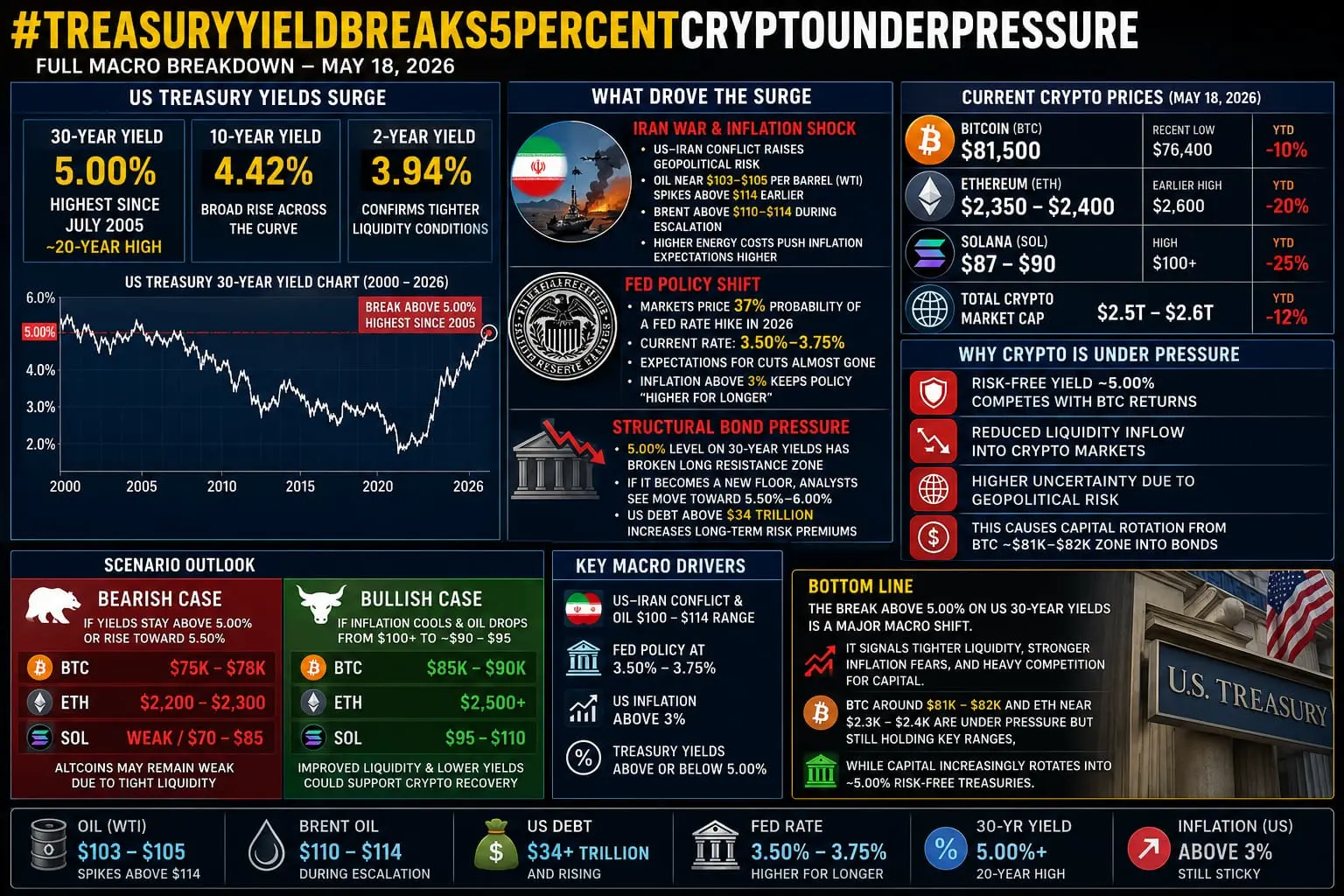
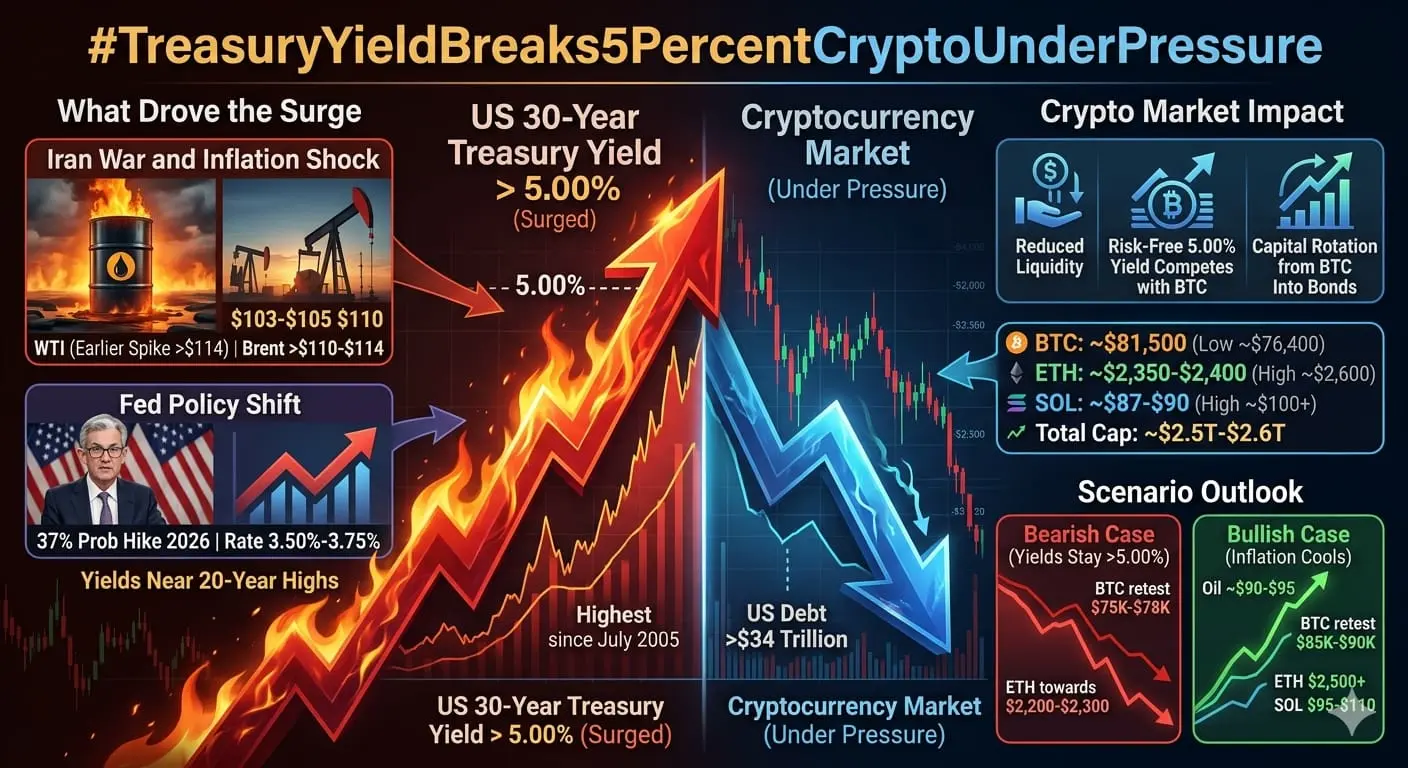
Một trong những yếu tố lớn nhất đằng sau các đợt tăng giá như vậy là bất ổn trong các tuyến cung cấp chính như eo biển Hormuz, nơi phần lớn dầu toàn cầu lưu thông.
Nếu căng thẳng gia tăng liên quan đến các quốc gia như Iran hoặc các xung đột khu vực rộng hơn, thị trường ngay lập tức định giá rủi ro gián đoạn—ngay cả khi chưa có cắt giảm nguồn cung thực tế.
---
📉 Ảnh hưởng đến thị trường toàn cầu
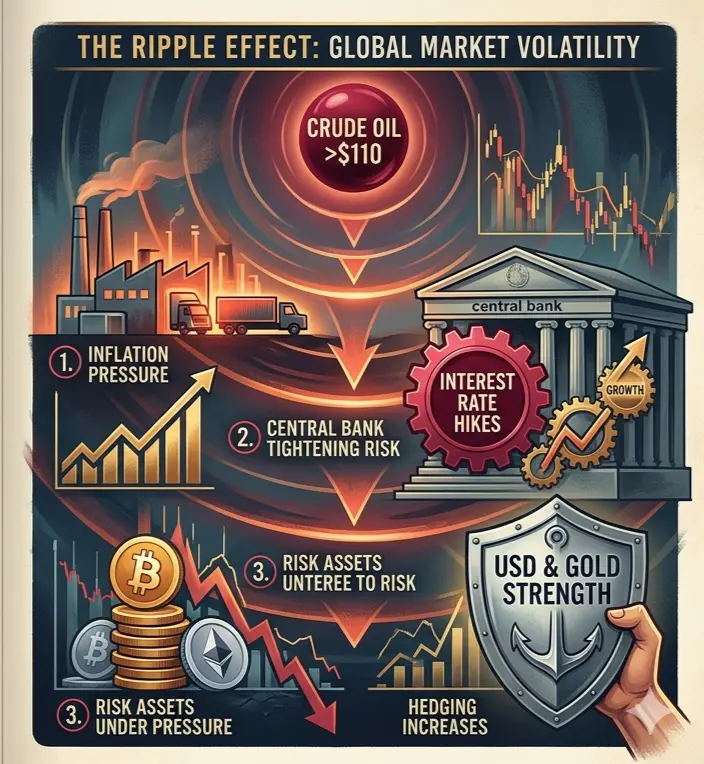
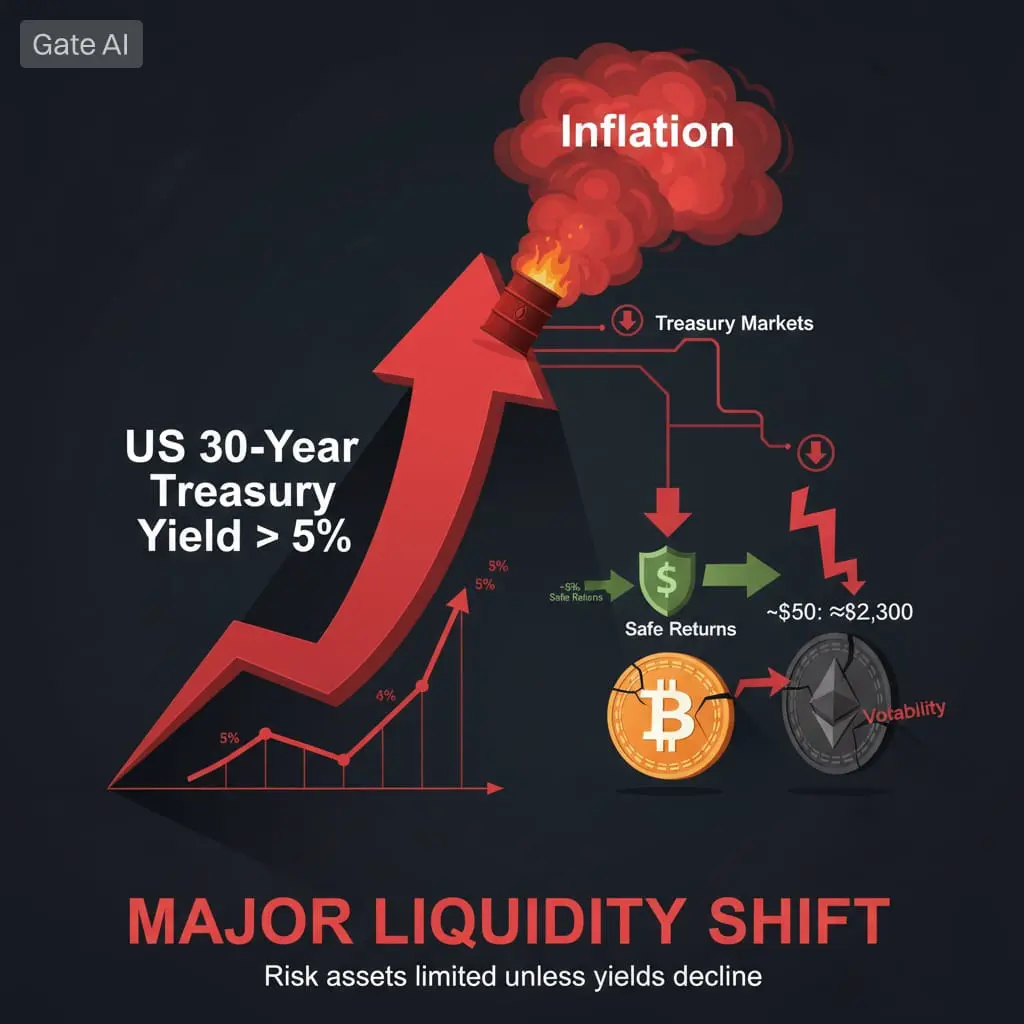
Khi dầu vượt qua 110 đô la, nó tạo ra hiệu ứng lan tỏa trên tất cả các loại tài sản:
1. Áp lực lạm phát tăng lên
Chi phí năng lượng cao hơn làm tăng chi phí vận chuyển và sản xuất toàn cầu.
2. Rủi ro thắt chặt chính sách của ngân hàng trung ương
Lo ngại lạm phát có thể buộc chính sách tiền tệ thắt chặt hơn, điều này thường không tốt cho các tài sản rủi ro.
3. Tài sản rủi ro chịu áp lực
Các tài sản như Bitcoin và Ethereum thường đối mặt với biến động khi kỳ vọng thanh khoản thu hẹp.
---
⚔️ Mô hình hành vi thị trường
Lịch sử cho thấy, các đợt tăng giá dầu trên 110 đô la thường theo chu kỳ sau:
1. Căng thẳng địa chính trị bắt đầu
2. Nỗi sợ về nguồn cung tăng lên
3. Đà mua đầu cơ tăng tốc
4. Đột biến mạnh trên các mức tâm lý quan trọng
5. Mở rộng biến động trên tất cả các thị trường
Quan trọng là, các biến động này thường xuất phát từ cảm xúc trước, các yếu tố cơ bản đến sau.
---
🧠 Góc nhìn giao dịch
Trong môi trường này, các nhà giao dịch thường điều chỉnh chiến lược như sau:
Ngành năng lượng trở thành ưu tiên hàng đầu
Rủi ro trong crypto và cổ phiếu được giảm thiểu
Gia tăng các biện pháp phòng ngừa rủi ro (vàng, đồng USD mạnh)
Giao dịch biến động ngắn hạn trở nên chiếm ưu thế hơn so với vị thế dài hạn
---
🚨 Suy nghĩ cuối cùng
Dầu vượt mốc 110 đô la không chỉ là câu chuyện năng lượng—nó còn là tín hiệu về thanh khoản toàn cầu và lạm phát.
Khi dầu thô vào vùng này, thường có nghĩa là thị trường đang bước vào một chế độ vĩ mô biến động cao, nơi rủi ro địa chính trị, lo ngại lạm phát và tâm lý nhà đầu tư đều đổ dồn cùng lúc.
Hashtag #OilBreaks110 báo hiệu một kịch bản sốc vĩ mô lớn khi giá dầu thô tăng trên 110 đô la, thường do gián đoạn nguồn cung, leo thang địa chính trị hoặc rủi ro hạ tầng năng lượng.
---
📊 Ý nghĩa khi dầu vượt mốc 110 đô la
Khi dầu thô vượt trên 110 đô la mỗi thùng, thường phản ánh một hoặc nhiều trong số các điều sau:
Gián đoạn nguồn cung tại các khu vực sản xuất chính
Gia tăng căng thẳng địa chính trị ảnh hưởng đến tuyến vận chuyển
Nỗi sợ thiếu hụt vật chất trong thị trường năng lượng toàn cầu
Đà đầu cơ mạnh mẽ trong các hợp đồng tương lai năng lượng
Đây không phải là mức giá bình thường—nó báo hiệu giai đoạn căng thẳng trong hệ thống năng lượng toàn cầu.
---
🌍 Yếu tố chính: rủi ro địa chính trị
Một trong những yếu tố lớn nhất đằng sau các đợt tăng giá như vậy là bất ổn trong các tuyến cung cấp chính như eo biển Hormuz, nơi phần lớn dầu toàn cầu lưu thông.
Nếu căng thẳng gia tăng liên quan đến các quốc gia như Iran hoặc các xung đột khu vực rộng hơn, thị trường ngay lập tức định giá rủi ro gián đoạn—ngay cả khi chưa có cắt giảm nguồn cung thực tế.
---
📉 Ảnh hưởng đến thị trường toàn cầu
Khi dầu vượt qua 110 đô la, nó tạo ra hiệu ứng lan tỏa trên tất cả các loại tài sản:
1. Áp lực lạm phát tăng lên
Chi phí năng lượng cao hơn làm tăng chi phí vận chuyển và sản xuất toàn cầu.
2. Rủi ro thắt chặt chính sách của ngân hàng trung ương
Lo ngại lạm phát có thể buộc chính sách tiền tệ thắt chặt hơn, điều này thường không tốt cho các tài sản rủi ro.
3. Tài sản rủi ro chịu áp lực
Các tài sản như Bitcoin và Ethereum thường đối mặt với biến động khi kỳ vọng thanh khoản thu hẹp.
---
⚔️ Mô hình hành vi thị trường
Lịch sử cho thấy, các đợt tăng giá dầu trên 110 đô la thường theo chu kỳ sau:
1. Căng thẳng địa chính trị bắt đầu
2. Nỗi sợ về nguồn cung tăng lên
3. Đà mua đầu cơ tăng tốc
4. Đột biến mạnh trên các mức tâm lý quan trọng
5. Mở rộng biến động trên tất cả các thị trường
Quan trọng là, các biến động này thường xuất phát từ cảm xúc trước, các yếu tố cơ bản đến sau.
---
🧠 Góc nhìn giao dịch
Trong môi trường này, các nhà giao dịch thường điều chỉnh chiến lược như sau:
Ngành năng lượng trở thành ưu tiên hàng đầu
Rủi ro trong crypto và cổ phiếu được giảm thiểu
Gia tăng các biện pháp phòng ngừa rủi ro (vàng, đồng USD mạnh)
Giao dịch biến động ngắn hạn trở nên chiếm ưu thế hơn so với vị thế dài hạn
---
🚨 Suy nghĩ cuối cùng
Dầu vượt mốc 110 đô la không chỉ là câu chuyện năng lượng—nó còn là tín hiệu về thanh khoản toàn cầu và lạm phát.
Khi dầu thô vào vùng này, thường có nghĩa là thị trường đang bước vào một chế độ vĩ mô biến động cao, nơi rủi ro địa chính trị, lo ngại lạm phát và tâm lý nhà đầu tư đều đổ dồn cùng lúc.