
Futures
Access hundreds of perpetual contracts
TradFi
Gold
One platform for global traditional assets
Options
Hot
Trade European-style vanilla options
Unified Account
Maximize your capital efficiency
Demo Trading
Introduction to Futures Trading
Learn the basics of futures trading
Futures Events
Join events to earn rewards
Demo Trading
Use virtual funds to practice risk-free trading
Launch
CandyDrop
Collect candies to earn airdrops
Launchpool
Quick staking, earn potential new tokens
HODLer Airdrop
Hold GT and get massive airdrops for free
Pre-IPOs
Unlock full access to global stock IPOs
Alpha Points
Trade on-chain assets and earn airdrops
Futures Points
Earn futures points and claim airdrop rewards


Promotions
AI
Gate AI
Your all-in-one conversational AI partner
Gate AI Bot
Use Gate AI directly in your social App
GateClaw
Gate Blue Lobster, ready to go
Gate for AI Agent
AI infrastructure, Gate MCP, Skills, and CLI
Gate Skills Hub
10K+ Skills
From office tasks to trading, the all-in-one skill hub makes AI even more useful.
GateRouter
Smartly choose from 30+ AI models, with 0% extra fees


"How else can it be," really?
Why does infringement chaos in the arts and literature industry persist despite repeated bans?
These days, a copyright controversy over the song “Li Bai” has attracted nationwide attention. The public’s interest is not only because it involves a popular work and a well-known singer but also because it has brought the issue of infringement in the arts industry into the “spotlight.”
China’s copyright law has clear and explicit provisions: “Performers using others’ works for performance must obtain permission from the copyright owner and pay royalties.” Li Ronghao’s public call is a reaffirmation of creators’ rights; Dan Yichun’s apology is also a reflection on infringement behavior. But looking back, whether it’s “boarding first and buying tickets later” or “infringing first and apologizing afterward,” neither should become the norm in the arts industry.
This image appears to be AI-generated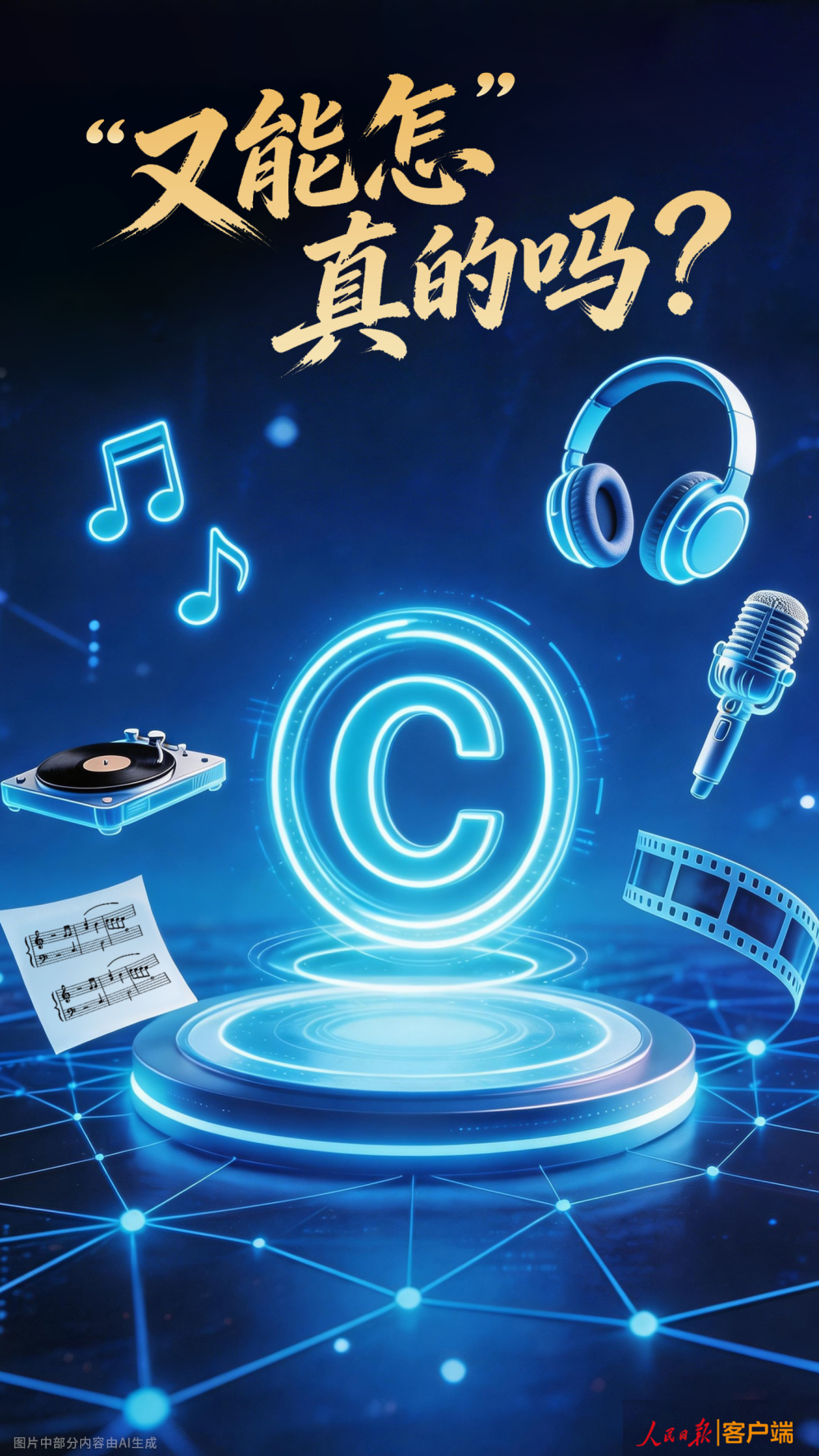
It should be noted that the high cost of rights protection and the low cost of infringement in the arts sector seriously dilute the sense of rules in favor of commercial interests. Some practitioners see copyright authorization as merely a “procedural matter,” not an insurmountable necessity. Copyright holders clearly draw the red line, yet related performances still take place; the rigorous authorization process is often casually bypassed due to “organizers being responsible” or “trusting partners”; copyright disputes trending on hot searches are often suspended amid emotional disputes. In the face of infringement, many creators choose to endure silently, which also fosters such chaos.
However, it must be emphasized that on stage, copyright should never be a “multiple-choice question,” nor should there be ambiguous areas involving “outsourcing,” gambling on probabilities, or relying on personal relationships.
“What can we do,” should not become capriciousness. Moreover, in the face of legal rules and the future of the industry, is there really “nothing we can do”?
Originality is the lifeline of art; painstaking creative achievements are the source of the arts industry chain. If the effort cannot be effectively protected by copyright systems, then over time, the music market may accelerate its slide into a pursuit of quick gains—who would still be willing to create with dedication? Where is the value of sticking to originality?
From this perspective, protecting copyrights involves not only existing works but also emphasizing the continuous creation, dissemination, and appreciation of future original works. It safeguards music as both a cultural and industrial asset, helping the industry thrive and flourish within clear, stable, and sustainable rules.
Seeking fundamental solutions to the “Li Bai dispute” is also a question left by this public controversy. Turning the consensus that “protecting intellectual property rights is protecting innovation” into better action requires creators’ awareness, users’ reverence, regulators’ enforcement, and the public’s understanding. Improving copyright authorization mechanisms, increasing penalties for infringement, streamlining channels for licensing and rights protection—only then can every creator work with peace of mind and every presentation be compliant and orderly.
The higher the heat, the more we must respect the rules. The arts and literature field is not a gamble paradise for overnight fame; any practice that violates artistic principles and industry rules cannot last long. Let rules lead the way, and the artistic ecology can be more upright and healthy—if we could start over, let’s follow the rules.
Planning: Wang Jingyuan, Zuo Xiao
Poster: Chen Quanyi
( Source: People’s Daily Client )