В этой экосистеме TAG является центральным элементом, объединяющим заказчиков, поставщиков и потребителей данных. При размещении заданий, выполнении работ по аннотированию или осуществлении сделок и утверждений, TAG обеспечивает передачу стоимости, формируя полностью замкнутую экономику данных.
В долгосрочной перспективе токеномика Tagger не только фокусируется на распределении стимулов, но и решает ключевые задачи рынка ИИ-данных: ограниченное предложение, нестабильное качество и неравномерное распределение ценности. Используя модель «Proof-of-Human-Work» и ончейн-расчеты, Tagger превращает производство данных в устойчивую экономическую деятельность.
Роль TAG в сети Tagger: оплата данных, стимулы и циркуляция стоимости
TAG — основной утилитный токен Tagger Network, обеспечивающий оплату, стимулы и движение стоимости. Для расчетов TAG используется при запуске заданий, покупке датасетов и оплате сервисных сборов платформы, выступая базовой валютой торговой площадки данных.
В части стимулов TAG поддерживает производство данных через систему вознаграждений. Аннотаторы, специалисты по очистке и валидаторы получают TAG за выполнение заданий, а модель «распределения по вкладу» обеспечивает постоянный импульс производства данных. Инструмент AI Copilot и стандартизированные протоколы проверки дополнительно повышают эффективность и гарантируют справедливое вознаграждение.
Для циркуляции стоимости TAG превращает данные из «статического ресурса» в «торгуемый актив». Данные можно продавать, утверждать или сдавать в аренду, все операции проходят через TAG, что обеспечивает непрерывное движение и создание стоимости в сети и формирует полноценный экономический цикл данных.
Таким образом, TAG — не просто платежное средство, а ключевое звено, соединяющее спрос и предложение данных и структуру стимулов, поддерживая самоподдерживающийся рост сети Tagger.
Tagger (TAG): структура комиссий за аннотирование данных — ценообразование заданий и логика оплаты
Структура комиссий Tagger строится на принципе «ценообразования заданий» и обеспечивает прозрачную систему оплаты. При размещении задания заказчик оплачивает определенное количество TAG в зависимости от объема, сложности и типа данных, включая вознаграждение исполнителям и сервисный сбор платформы.
Обычно платформа взимает сервисный сбор в виде процента от суммы задания. За аннотирование, очистку или сбор данных Tagger берет около 5 % как сервисный сбор, а оставшаяся сумма распределяется между поставщиками данных. Такой подход обеспечивает устойчивость платформы и справедливое вознаграждение участников.
В сценариях сделок с данными структура комиссий отличается. После завершения сделки платформа обычно взимает около 1 % как торговую комиссию для поддержки работы торговой площадки. Низкая ставка комиссии способствует росту ликвидности данных и снижает барьеры для транзакций.
В целом структура комиссий Tagger сочетает низкое трение и высокую ликвидность, балансируя доход платформы и активное участие пользователей благодаря рациональной модели комиссий.
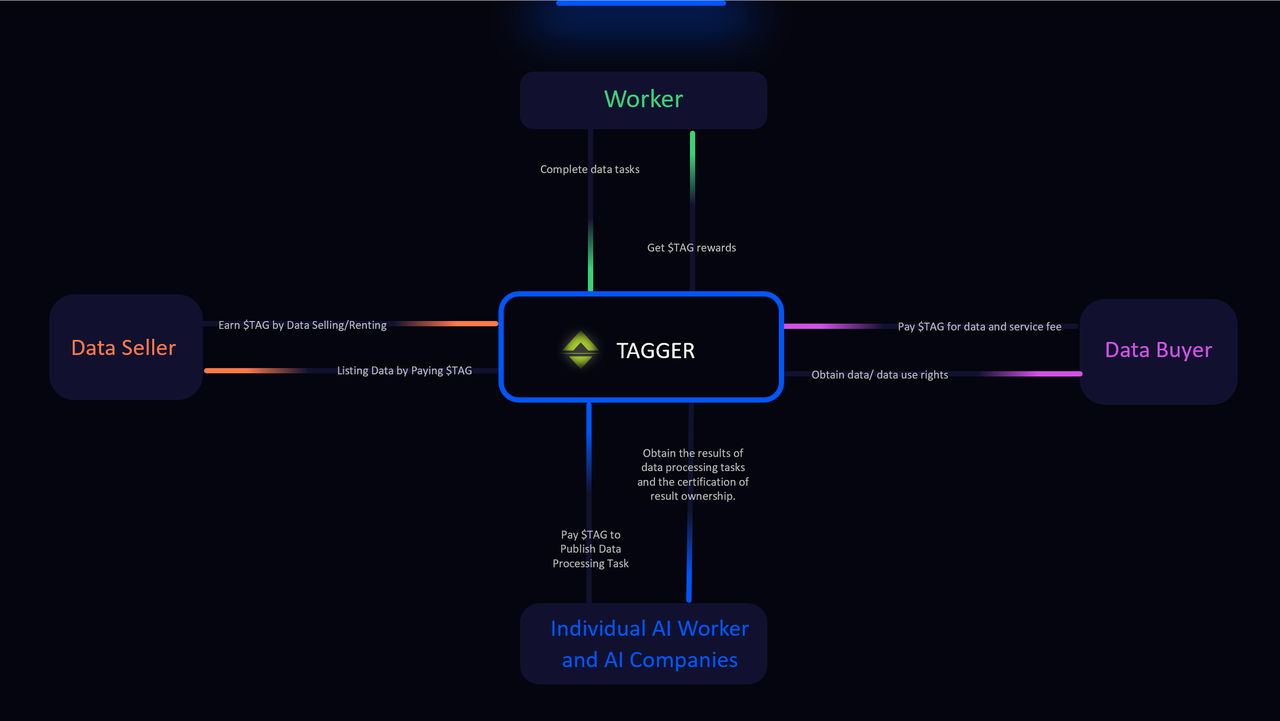
Источник: tagger.pro
Tagger (TAG): анализ механизма стимулов для аннотаторов и валидаторов
Система стимулов Tagger основана на «Proof-of-Human-Work» и нацелена на формирование ценности токена за счет реального труда с данными. В отличие от традиционного майнинга, зависящего от хешрейта, Tagger превращает обработку данных в процесс создания стоимости.
В фазе аннотирования участники получают вознаграждение в TAG за выполнение задач по аннотированию, очистке и классификации данных. Инструмент AI Copilot позволяет обычным пользователям достигать профессионального уровня аннотирования, расширяя производственные возможности. Платформа также проводит стандартизированную валидацию результатов, чтобы вознаграждение соответствовало реальному вкладу.
Для проверки качества определённые участники отвечают за ревью и контроль согласованности, объединяя ИИ и ручные методы для повышения эффективности и снижения ошибок. Валидаторы также получают вознаграждение в TAG, формируя двухуровневую структуру стимулов.
Главное преимущество этого механизма — прямое превращение «производственных возможностей данных» в источник дохода, что позволяет расширить участие в экономике ИИ-данных и повысить качество и предложение данных.
Структура предложения и распределения TAG: анализ токеномики Tagger
Модель предложения TAG ориентирована на вклад. Общее предложение составляет около 405 380 800 000 токенов, причем большая часть выпускается постепенно за выполнение работ с данными, а не одномоментно.
Около 74 % токенов выделено на Proof-of-Human-Work и выпускается участникам за аннотирование и обработку данных. Это обеспечивает связь распределения токенов с реальным вкладом, формируя справедливую экономическую систему.
Около 21 % выделено на эксперименты в экосистеме и рыночные стимулы (например, Tag-to-Pump) для поддержки раннего роста сети, а примерно 5 % зарезервировано для поддержки ликвидности и стабильной работы торговой площадки. Такая структура сочетает долгосрочные стимулы с краткосрочными потребностями в ликвидности.
TAG использует механизм халвинга, постепенно снижая вознаграждение по мере выпуска, чтобы контролировать инфляцию и повысить дефицитность. Этот подход, аналогичный модели Bitcoin, способствует стабилизации долгосрочной стоимости.
Экономика данных и логика захвата стоимости Tagger (TAG)
Ключевая ценность Tagger строится на концепции «данные как актив» — извлечение ценности через создание, обработку и торговлю данными. Данные выступают не только ресурсом для обучения ИИ, но и самостоятельным экономическим элементом.
Захват стоимости происходит из трех основных источников: комиссии за задания, которые платят предприятия или разработчики; доход от сделок с данными (продажи, утверждения); постоянная выручка от использования, например, спрос на повторное использование данных или обучение моделей.
По мере расширения сети предложение и спрос на данные формируют положительную обратную связь: больше данных → выше качество моделей → больший спрос → больше новых заданий. Такой цикл позволяет Tagger создавать сетевые эффекты и увеличивать общую экономическую ценность.
В долгосрочной перспективе Tagger нацелен на создание децентрализованной инфраструктуры рынка данных, где TAG — ключевой актив для движения стоимости.
Риски токеномики и анализ устойчивости Tagger (TAG)
Несмотря на инновационную экономическую модель, Tagger сталкивается с рядом вызовов. Контроль качества данных остается критически важным: даже с помощью ИИ и валидации сложно поддерживать высокий стандарт при массовом краудсорсинге.
Устойчивость модели стимулов зависит от реального спроса. Если спрос на данные падает и объем заданий снижается, доходы участников сокращаются, что приводит к снижению активности сети — типичная проблема для токеномики, основанной на использовании.
Необходимо поддерживать баланс между выпуском токенов и рыночной ликвидностью. Хотя механизм халвинга помогает контролировать инфляцию, при недостаточном росте спроса возможно давление на цену.
В конечном счете долгосрочная устойчивость Tagger зависит от расширения сценариев использования ИИ-данных и поддержания баланса между качеством данных, масштабом пользователей и механизмами стимулов.
Резюме
Tagger (TAG) реализует токеномику, построенную вокруг данных, интегрируя аннотирование, торговлю и валидацию в единую систему ценности. Благодаря Proof-of-Human-Work и ончейн-расчетам платформа стимулирует и монетизирует производство данных.
Токеномика TAG не только обеспечивает циркуляцию данных, но и стремится переопределить распределение ценности в индустрии ИИ-данных, превращая данные из пассивного ресурса в актив. По мере роста спроса на ИИ эта модель экономики данных может стать основой для слияния Web3 и ИИ.
Часто задаваемые вопросы
Какова основная функция TAG?
TAG используется для оплаты заданий с данными, стимулирования поставщиков данных и как средство передачи стоимости при сделках с данными.
Как рассчитываются комиссии Tagger за аннотирование данных?
Комиссия обычно зависит от объема и сложности задания; платформа взимает около 5 % в качестве сервисного сбора.
Что такое Proof-of-Human-Work?
Это механизм, при котором вознаграждение токенами формируется за счет реального труда с данными, превращая обработку данных в создание ценности.
Есть ли у TAG механизм инфляции?
TAG использует постепенный выпуск и механизм халвинга для контроля эмиссии и сдерживания долгосрочной инфляции.
Каковы источники ценности Tagger?
В первую очередь — комиссии за задания с данными, доход от сделок с данными и постоянная ценность использования, связанная со спросом на данные для ИИ.