The blockchain industry initially developed around crypto-native assets, but most of the value in global financial markets still exists in real world assets such as real estate, bonds, funds, credit products, and commodities.
Traditional asset markets have long faced problems such as limited liquidity, low efficiency in cross border circulation, high transaction barriers, and lengthy settlement cycles. Unlike traditional asset digitization platforms, Plume focuses not only on bringing assets on-chain, but also on their liquidity and composability once they enter on-chain financial markets. Through RWAfi infrastructure, real world assets can participate in lending, yield protocols, liquidity pools, and cross chain applications, creating a wider range of financial use cases.
What Is RWA Tokenization?
RWA tokenization refers to converting the ownership, income rights, or other economic rights of real world assets into digital tokens on the blockchain, with smart contracts used to manage and transfer them.
The token itself is not directly equivalent to the real world asset. Instead, it represents a rights relationship linked to that asset.
For example, after a real estate asset is tokenized, its ownership share or income rights can be represented in the form of blockchain tokens. Investors who hold the corresponding tokens can receive rights tied to the underlying real world asset.
On the Plume network, tokenization does not simply mean recording assets on the blockchain. It also means enabling those assets to take part in further on-chain financial activities.
What Is Plume’s RWA Tokenization Process?
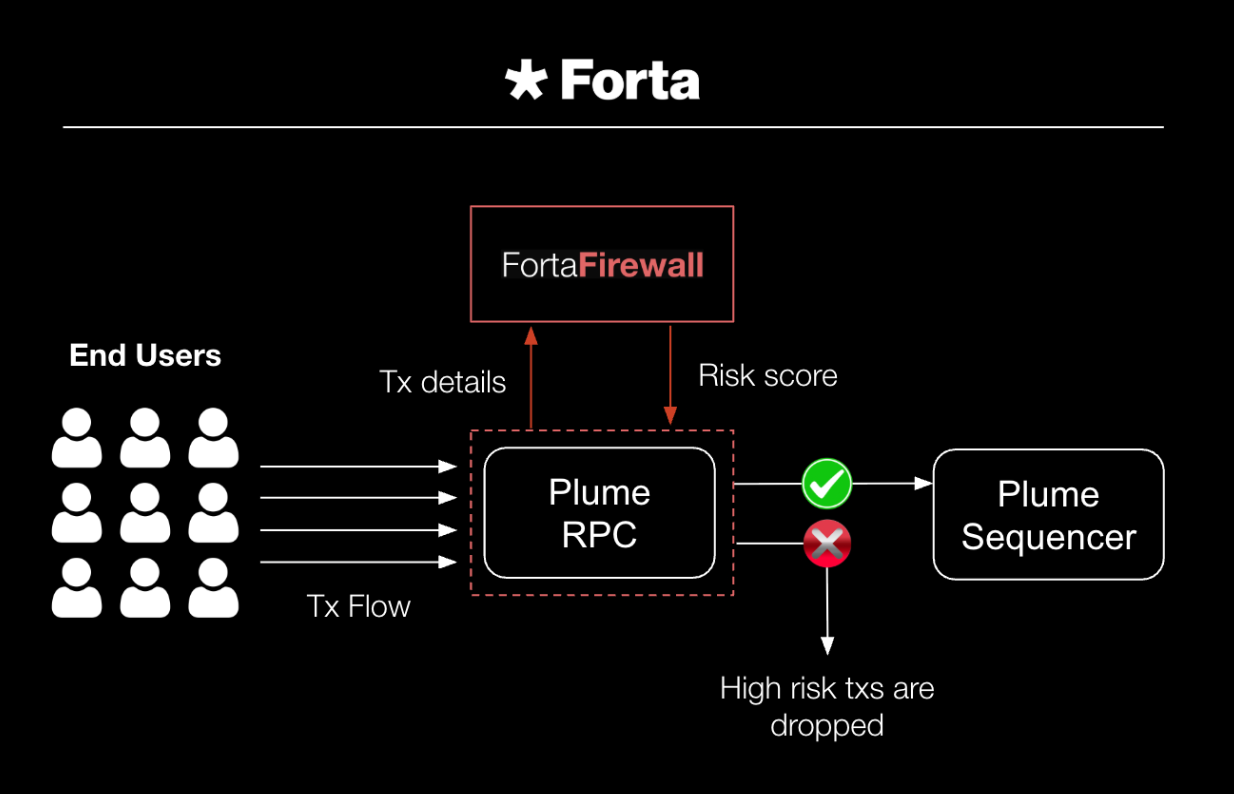
Plume’s process for bringing assets on-chain can usually be divided into six core stages:
-
Asset screening and evaluation
-
Legal structuring
-
Asset verification and custody
-
On-chain token issuance
-
Compliance management and permission control
-
DeFi ecosystem integration
Each stage represents an important connection point between real world assets and the blockchain. Together, they form the full RWA lifecycle.
How Does Plume Handle Asset Screening and Evaluation?
Not every real world asset is suitable for tokenization.
Asset issuers must first confirm that the asset has clear ownership, a stable source of value, and a verifiable legal ownership relationship.
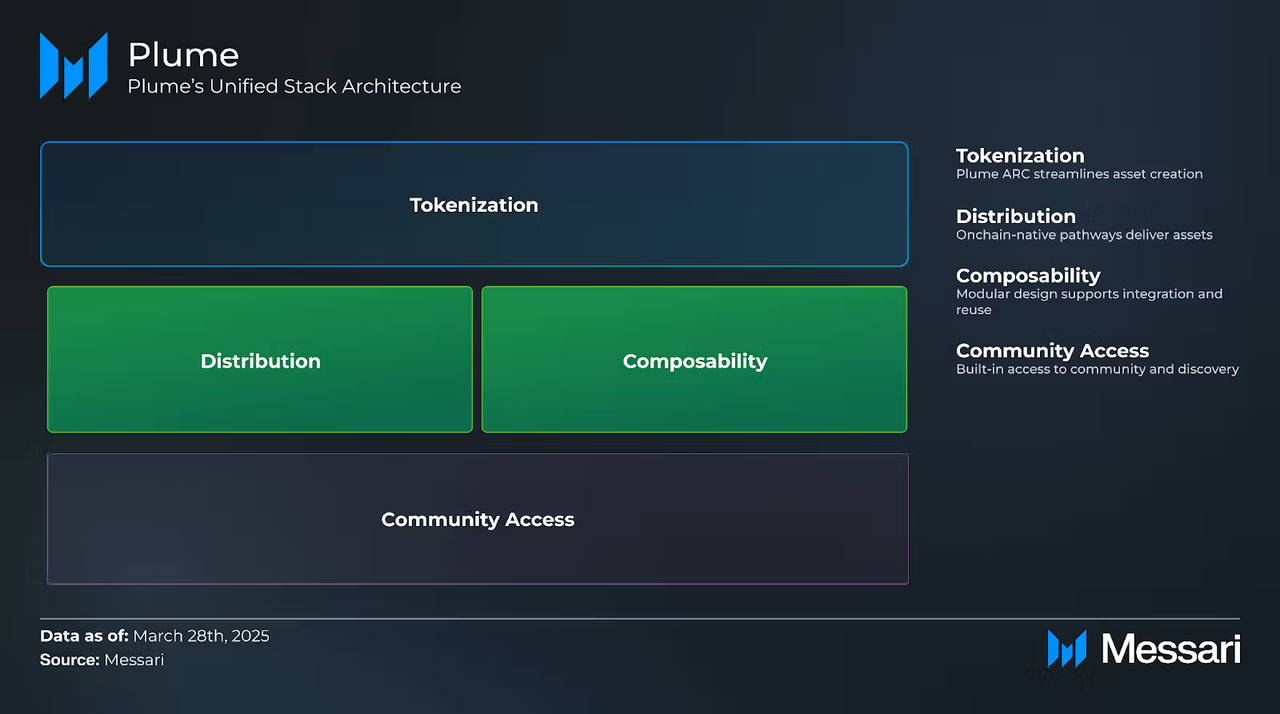
Common asset types include:
-
Government bonds
-
Real estate
-
Private credit
-
Corporate bonds
-
Infrastructure projects
-
Commodities
-
Carbon credit assets
Before an asset enters the blockchain, a third party institution usually needs to assess its value, risks, and compliance status.
This process determines the basic conditions for later asset issuance and market circulation.
How Does Plume Verify Asset Authenticity?
The credibility of real world assets is the foundation of the RWA ecosystem.
Plume builds verification mechanisms across multiple layers, including:
Third Party Audits
Professional institutions are responsible for checking asset authenticity, ownership, and financial information.
Custody Services
Assets are usually held by independent custodians, reducing the risk that issuers can unilaterally control the assets.
Off Chain Data Synchronization
Oracles and data service providers continuously synchronize asset status information to the blockchain.
Regular Disclosure Mechanisms
Asset operation data, yield performance, and risk events can be continuously updated and disclosed.
Together, these measures help ensure that on-chain tokens remain consistent with the underlying real world assets.
How Is on-chain Token Issuance Completed?
Once asset verification and legal structuring are complete, the asset can enter the on-chain issuance stage.
Plume provides dedicated asset issuance tools that allow issuers to create digital tokens representing rights to real world assets.
Smart contracts define:
-
Total token supply
-
Rights structure
-
Transfer rules
-
Yield distribution logic
-
Burn mechanism
After issuance is completed, the asset officially enters the blockchain network and gains programmable financial properties.
How Does Plume Manage Compliance?
Real world assets are often subject to securities regulation, anti-money laundering, or AML, rules, and know your customer, or KYC, requirements.
Plume embeds compliance modules directly into the infrastructure layer.
Investor Identity Verification
Users who participate in certain assets must complete identity verification.
Permission Control
Different regions or investor categories may correspond to different access rules.
Transfer Restrictions
Some assets may restrict their circulation scope or holder eligibility.
Regulatory Adaptation
Issuers can adjust asset management rules according to local regulations.
This design helps real world assets enter on-chain markets while meeting regulatory requirements.
What Happens After Assets Enter DeFi?
Traditional RWA platforms usually end their main process once asset issuance is completed.
Plume’s RWAfi model goes further by encouraging assets to participate in on-chain financial activities.
Real world asset tokens can be used for:
-
Collateral in lending protocols
-
Yield aggregation strategies
-
Liquidity pool construction
-
Automated asset management
-
Cross chain liquidity networks
Through these use cases, real world assets gain financial composability similar to crypto assets.
This is also one of the key differences between RWAfi and the traditional RWA model.
How Is Plume’s RWA Tokenization Different from Traditional Asset Securitization?
| Comparison Dimension |
Plume RWA Tokenization |
Traditional Asset Securitization |
| Issuance Method |
Blockchain based issuance |
Issuance by financial institutions |
| Trading Time |
Near real time settlement |
Fixed trading hours |
| Market Scope |
Global on-chain market |
Regional markets |
| Liquidity |
Can access DeFi |
Relies on traditional markets |
| Yield Distribution |
Automatically executed by smart contracts |
Handled manually or by institutions |
| Programmability |
High |
Relatively low |
Asset securitization mainly focuses on financing, while RWAfi places more emphasis on the continued circulation and use of assets within a digital financial ecosystem.
Conclusion
Plume’s RWA tokenization system covers multiple stages, including asset screening, legal structuring, asset verification, on-chain issuance, compliance management, and DeFi integration. The goal of the entire process is not only to bring real world assets on-chain, but more importantly to allow those assets to continue circulating and creating value within the blockchain financial system.
Compared with traditional RWA projects, Plume’s RWAfi model focuses more on financial composability, allowing real world assets to participate in lending, yield management, cross chain circulation, and other activities much like native crypto assets.
FAQs
What Does RWA Tokenization Mean?
RWA tokenization refers to mapping the rights of real world assets such as real estate, bonds, and private credit into digital tokens on the blockchain, then using smart contracts to manage, transfer, and distribute yields.
What Steps Are Included in Plume’s RWA Tokenization Process?
Plume’s tokenization process typically includes asset screening, legal structuring, asset verification, custody arrangements, on-chain issuance, compliance management, and entry into the DeFi ecosystem.
Why Do Real World Assets Need Custodians?
Custodians are responsible for holding real world assets and supervising their status. This helps ensure that the rights represented by on-chain tokens actually exist and reduces asset management risks.
What Asset Types Does Plume Support?
Plume supports real world assets such as real estate, government bonds, private credit, corporate bonds, commodities, infrastructure projects, and other assets with clear ownership and income structures.