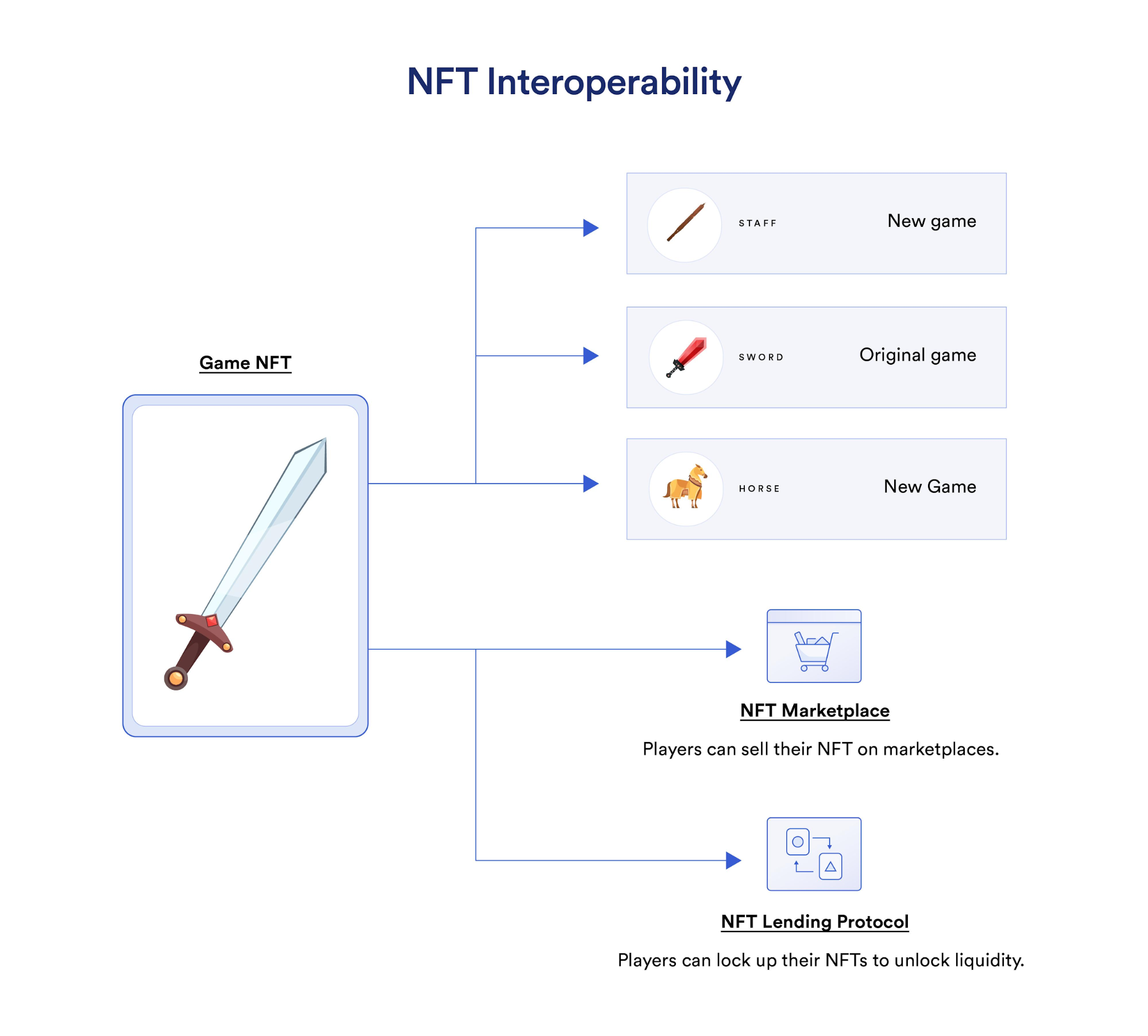
في بيئات الألعاب المتعددة، غالباً ما تُقيَّد الأصول بنظام واحد فقط، مما يمنع المستخدم من نقل ممتلكاته إلى ألعاب أخرى. يؤدي هذا التقييد إلى تجزئة قيمة الأصول وتقليل كفاءة استخدام الموارد. صُممت بروتوكولات الأصول العابرة للألعاب لحل هذه المشكلة، إذ تمنح الأصول القدرة على الانتقال السلس بين بيئات الألعاب المختلفة.
تتألف هذه العملية عادة من ثلاث مراحل: إنشاء الأصل، معالجة البروتوكول، ثم الاستخدام عبر الأنظمة المختلفة—مشكلة بذلك دورة حياة مكتملة.
ما هو بروتوكول Nexira للأصول العابرة للألعاب؟
يرتكز بروتوكول Nexira للأصول العابرة للألعاب على بناء "طبقة وسيطة للأصول" مستقلة تعمل خارج أي لعبة بذاتها. تقوم هذه الطبقة بتجريد الأصول من ألعاب متعددة وتحويلها إلى صيغة موحدة، ما يتيح التعرف عليها وتشغيلها عبر الأنظمة المختلفة.
على مستوى البروتوكول، بمجرد إدخال الأصول، تُحوَّل خصائصها الأصلية إلى بيانات موحدة—كالنوع والندرة وعلاقات القيمة. يسمح هذا التحويل بالتعرف على الأصول عبر أنظمة متنوعة دون الحاجة للاعتماد على منطق اللعبة الأصلية.
تتكون بنية البروتوكول من ثلاث طبقات رئيسية: طبقة مطابقة الأصول، طبقة تحويل القيمة، وطبقة واجهات التطبيقات. توحد طبقة المطابقة تمثيل كل أصل، وتحدد طبقة التحويل معدلات التبادل، بينما تتيح طبقة الواجهة استيراد الأصول إلى بيئات الألعاب المستهدفة.
يحول هذا النظام الأصول من "كائنات داخل التطبيق" المعزولة إلى "موارد على مستوى البروتوكول"، ما يتيح تداولها بحرية بين الأنظمة.
كيف ينشئ المستخدمون الأصول داخل الألعاب ويحتفظون بها؟
تنشأ الأصول عادة داخل لعبة معينة وتُولّد وفق قواعدها الخاصة. تشمل الأمثلة عناصر، معدات، أو NFTs، تُنشأ جميعها داخل اللعبة وتُسند إلى حسابات المستخدمين.
في الأنظمة القائمة على البلوكشين، تُسجَّل هذه الأصول غالباً كملكية رقمية مع تحديد واضح للملكية. يمكن للاعبين استخدام هذه الأصول أو نقلها أو تداولها كما يشاؤون.
هيكلياً، يرتبط كل أصل بطبقتين من المعلومات: منطق داخل اللعبة (كالسمات والوظائف) ومعرّفات على السلسلة (كالملكية والمعرف). يوفر هذا البناء المزدوج الأساس اللازم لتكامل البروتوكول.
تعد هذه المرحلة أساسية لتحديد ما إذا كان الأصل مؤهلاً للتجريد والاستخدام عبر الأنظمة المختلفة.
كيف تدخل الأصول إلى طبقة بروتوكول Nexira وطبقة التداول؟
عند رغبة المستخدم في نقل أصوله بين الألعاب، يجب أن تمر الأصول أولاً عبر طبقة البروتوكول—غالباً من خلال الحجز أو المطابقة.
خلال هذه الخطوة، قد يُحجز الأصل الأصلي في بيئته، بينما يُنشأ تمثيل جديد له على مستوى البروتوكول. يضمن ذلك عدم إمكانية إنفاق الأصل مرتين والمحافظة على علاقته بالقيمة.
تعتمد هذه العملية على العقود الذكية أو واجهات البروتوكول التي تستقبل معلومات الأصول وتحولها إلى صيغة موحدة في تجمع أصول مشترك.
الأساس هنا هو "تجريد الأصول"—تحويل الأصول من مصادر متعددة إلى كائنات قابلة للإدارة في نظام واحد.
كيف تنتقل الأصول بين الألعاب باستخدام Ruby؟
في عملية النقل العابرة للألعاب، تمثل Ruby وحدة الحساب العامة.
بمجرد دخول الأصول إلى البروتوكول، تُقيَّم قيمتها بوحدة Ruby، ما يتيح توحيد معدلات التبادل عبر أنواع الأصول المختلفة. يمنع هذا التقييم الموحد تضارب اقتصادات الألعاب المتنوعة.
عملياً، تُقيّم الأصول أولاً بوحدة Ruby، ثم تُحوّل إلى الشكل المناسب حسب آلية اللعبة المستهدفة—على غرار استخدام عملة موحدة في التداول بين الأسواق.
تضمن Ruby استمرارية ووضوح عمليات النقل، مما يعزز السيولة بشكل فعال.
ماذا يحدث داخلياً عند استخدام الأصول عبر الألعاب؟
عند استخدام أصل في لعبة مستهدفة، يعالج النظام سلسلة خطوات داخلية لضمان التعرف عليه وتشغيله بالشكل الصحيح.
أولاً، تمرر طبقة البروتوكول بيانات الأصل إلى واجهة اللعبة المستهدفة، التي تقوم بتكييفه وفق قواعد تلك اللعبة. بعد ذلك، يُحوّل الأصل إلى صيغة قابلة للاستخدام—عنصر أو مورد—معترف به في اللعبة المستهدفة.
خلال هذه العملية، تبقى القيمة الأساسية وخصائص الأصل محفوظة، لكن تُعدل بما يتناسب مع منطق النظام الجديد. تتيح الواجهات الموحدة وتحويل القواعد تحقيق ذلك.
يضمن هذا الإجراء الداخلي ثبات وظائف الأصول، مما يجعل الاستفادة العابرة للألعاب واقعية وفعالة.
كيف تختلف بروتوكولات الأصول العابرة للألعاب عن تداول NFTs التقليدي؟
| الجانب |
تداول NFTs التقليدي |
بروتوكول Nexira للأصول العابرة للألعاب |
| الوظيفة الأساسية |
شراء/بيع الأصول |
تداول واستخدام الأصول |
| نطاق الاستخدام |
منصة واحدة أو نظام بيئي |
بيئات ألعاب متعددة |
| حالة الأصل |
حيازة ثابتة |
نقل ديناميكي |
| تحقيق القيمة |
عبر التداول |
عبر الاستخدام والتداول |
| هيكل النظام |
مدفوع بالسوق |
مدفوع بالبروتوكول |
يوضح هذا الجدول أن تداول NFTs التقليدي يرتكز على التبادل، في حين تركز بروتوكولات الأصول العابرة للألعاب على الاستخدام والتشغيل البيني. كلاهما يعالج تحديات مختلفة جوهرياً: أحدهما يركز على السيولة، والآخر على المنفعة.
ما هي القيود والشروط الرئيسية لتدفق الأصول العابرة للألعاب؟
رغم أن البروتوكولات العابرة للألعاب تتيح حركة الأصول بين الأنظمة، تظل هناك بعض القيود.
أولاً، التوافق بين الألعاب أمر أساسي. إذا لم تدعم اللعبة المستهدفة البروتوكول، لا يمكن استيراد الأصول.
ثانياً، قد تسبب الفروقات في خصائص الأصول تحديات في التكيف. فأنواع الأصول المتشابهة قد تُعرّف بشكل مختلف في كل لعبة، مما ينعكس على طريقة الاستخدام.
أخيراً، يتطلب الأمر بنية أمنية قوية وتصميماً دقيقاً للقواعد لمنع الإنفاق المزدوج أو التلاعب أثناء النقل.
توضح هذه القيود أن دمج الأصول العابرة للألعاب ليس مسألة تقنية فحسب، بل يحتاج أيضاً إلى تنسيق منظومي ومعايير موحدة.
الملخص
يقدم بروتوكول Nexira للأصول العابرة للألعاب إطاراً موحداً عبر طبقة البروتوكول، مما يسمح بانتقال الأصول من ألعاب مختلفة وتفعيلها ضمن بيئات متعددة.
تُحوّل العملية الكاملة—من إنشاء الأصول، ومعالجتها عبر البروتوكول، إلى نشرها بين الأنظمة—الأصول من موارد خاصة بلعبة واحدة إلى مكونات فعّالة في النظام البيئي ككل.
الأسئلة الشائعة
كيف يتم تمكين الأصول العابرة للألعاب؟ تقوم طبقة البروتوكول بمطابقة وتحويل الأصول بحيث يمكن التعرف عليها واستخدامها في أنظمة مختلفة.
لماذا يتم استخدام Ruby في نقل الأصول؟ تعمل Ruby كوحدة حسابية مشتركة، ما يسهل علاقات القيمة بين مختلف الأصول.
هل يمكن نقل الأصول مباشرة بين لعبتين؟ عادةً ما يتم النقل عبر طبقة البروتوكول وليس مباشرة بين الألعاب.
كيف يختلف ذلك عن تداول NFTs؟ يركز تداول NFTs على عمليات البيع والشراء، بينما تعطي البروتوكولات العابرة للألعاب الأولوية لاستخدام الأصول وتداولها.
هل جميع الألعاب متوافقة مع الأصول العابرة للألعاب؟ يعتمد ذلك على تكامل اللعبة مع البروتوكولات ذات الصلة ودعم النظام.