مع تطور صناعة البلوكشين من عمليات نقل الأصول البسيطة إلى تطبيقات متقدمة على السلسلة، أصبحت نماذج الأداء وقابلية التوسع وبيئات المطورين في البلوكشينات العامة من أبرز محاور الاهتمام في السوق.
تُعد منصتا Avalanche و Ethereum من أهم منصات العقود الذكية في قطاع البلوكشين، حيث تحظيان باعتماد واسع في التمويل اللامركزي (DeFi)، وNFT، وGameFi، وبنية Web3 التحتية. لطالما شغلت Ethereum موقعًا محوريًا في منظومة العقود الذكية، بينما تقدم Avalanche، المطورة من قبل Ava Labs، نموذجًا بديلاً لقابلية التوسع عبر بنيتها متعددة السلاسل ونموذج Subnet.
نظرة عامة على Avalanche و Ethereum
Avalanche هي شبكة بلوكشين من الطبقة الأولى (Layer1) تعتمد بنية متعددة السلاسل، تتألف أساسًا من X-Chain و C-Chain و P-Chain.
تدعم C-Chain التوافق مع EVM وتشغيل عقود Solidity الذكية؛ بينما تدير P-Chain المُدقِّقين وSubnets؛ وتختص X-Chain بإنشاء الأصول الرقمية ونقلها.
أما Ethereum، فهي بلوكشين رائد للعقود الذكية وتشكل طبقة أساسية لـ Web3 وDeFi. بدأت بإجماع إثبات العمل (PoW) ثم انتقلت تدريجيًا إلى إثبات الحصّة (PoS).
تعتمد Avalanche هيكلية متعددة السلاسل، في حين تعمل Ethereum بنموذج الشبكة الرئيسية الواحدة، حيث تُشغّل معظم التطبيقات مباشرة على الشبكة الرئيسية، مع الاستفادة من حلول Layer2 لتعزيز الأداء.
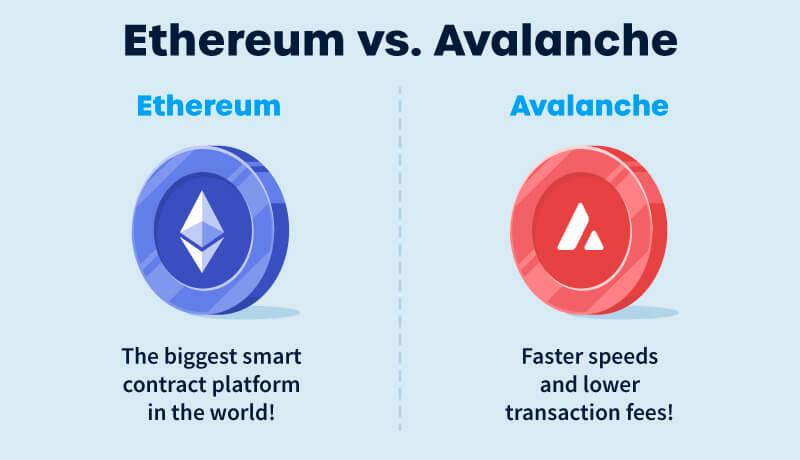
الفروقات المعمارية بين Avalanche و Ethereum
تختلف البنى المعمارية لشبكتي Avalanche و Ethereum بشكل جذري.
تتمحور Ethereum حول شبكة رئيسية واحدة، ورغم قدرة Layer2 على زيادة السعة، إلا أن جميع التسويات النهائية تتم على الشبكة الرئيسية.
أما Avalanche فتعتمد إطار عمل متعدد السلاسل، حيث تُخصص عمليات نقل الأصول، والعقود الذكية، وإدارة الشبكة لسلاسل منفصلة.
| بُعد المقارنة |
Avalanche |
Ethereum |
| بنية الشبكة |
بنية متعددة السلاسل |
شبكة رئيسية أحادية السلسلة |
| حل قابلية التوسع |
Subnet |
Layer2 Rollup |
| سلسلة العقود الذكية |
C-Chain |
الشبكة الرئيسية لـ Ethereum |
| إدارة الشبكة |
P-Chain |
إدارة موحدة للشبكة الرئيسية |
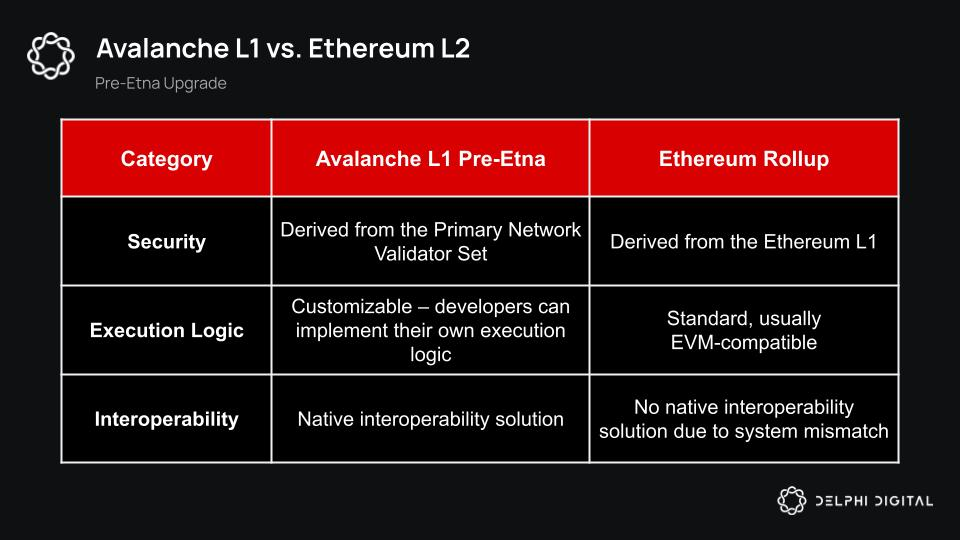
مناهج التوسع: Avalanche مقابل Ethereum
تعتمد Ethereum في توسعها على تقنية Layer2 Rollup.
تقوم رول أبس بمعالجة المعاملات خارج السلسلة، ثم ترسل البيانات المجمعة إلى الشبكة الرئيسية، ما يخفف الازدحام على الشبكة.
في المقابل، تركز Avalanche على "سلاسل مخصصة للتطبيقات"، حيث يمكن للمطورين إنشاء بلوكشينات مستقلة عبر Subnets، ما يوفر بيئات منفصلة لتطبيقات متنوعة.
وهذا يعني أن Avalanche تفضل التوسع الأفقي، بينما تعتمد Ethereum على Layer2 لزيادة سعة الشبكة الرئيسية.
اختلاف آليات الإجماع
تعتمد Ethereum حاليًا آلية إثبات الحصّة (PoS).
وتستخدم Avalanche أيضًا نموذج PoS، لكن بروتوكول الإجماع لديها يختلف تمامًا.
في Ethereum، يقترح المُدقِّقون الكتل لتأكيد الشبكة، بينما تحقق Avalanche الإجماع عبر العينة العشوائية والتقارب الاحتمالي.
تعتمد بروتوكولات Avalanche Consensus و Snowman على تفاعلات عشوائية محلية، ما يمنحها سرعة عالية في إنهاء المعاملات.
في المقابل، تركز Ethereum على أمان الشبكة الرئيسية واستقرار المنظومة.
رسوم Gas والأداء: Avalanche مقابل Ethereum
تُعد رسوم Gas وازدحام الشبكة من أبرز نقاط المقارنة بين المستخدمين.
تواجه الشبكة الرئيسية لـ Ethereum، بسبب النشاط المرتفع، ارتفاعات كبيرة في رسوم Gas خلال فترات الذروة.
أما بنية Avalanche متعددة السلاسل وSubnets، فبإمكانها في بعض الحالات تقليل التنافس على الموارد ودعم تكاليف معاملات أقل.
توفر Avalanche عادة سرعة إنهاء معاملات أعلى، بينما تعتمد Ethereum بشكل متزايد على Layer2 لتحسين تجربة المستخدم.
مع ذلك، تعتمد التكاليف والأداء الفعليان على نشاط الشبكة وظروف السوق العامة.
اختلافات النظام البيئي
تتمتع Ethereum بأكبر مجتمع مطورين على السلسلة وأعلى حجم أصول مُدارة.
تم بناء العديد من بروتوكولات DeFi ومشاريع NFT والبنية التحتية الأساسية أولًا على Ethereum، ما عزز قوة تأثير الشبكة.
أما نظام Avalanche البيئي فهو أصغر حجمًا، لكنه يركز على التطبيقات عالية الأداء، وألعاب البلوكشين، والسلاسل المخصصة للتطبيقات.
تستفيد بعض المشاريع من Subnets في Avalanche لبناء بلوكشينات مستقلة توفر أداءً وتخصيصًا أعلى.
لذا، لكل نظام بيئي أولويات تطويرية مميزة.
أفضل حالات الاستخدام لـ Avalanche و Ethereum
تُعد Ethereum مثالية للسيناريوهات التي تتطلب سيولة عالية، وأصولًا مُدارة كبيرة، وتوافقًا مع النظام البيئي.
وبفضل تنوع بروتوكولات DeFi وأدوات المطورين، تبرز Ethereum كبنية تحتية مالية متكاملة.
أما Avalanche فهي الأنسب للتداول عالي التردد، وألعاب البلوكشين، ونشر سلاسل مخصصة للتطبيقات.
تتيح بنية Subnet للمطورين إنشاء بيئات منفصلة، مما يقلل اعتماد التطبيقات المعقدة على موارد الشبكة المشتركة.
التحديات أمام Avalanche و Ethereum
رغم ريادتهما كشبكات Layer1، تواجه كل من Avalanche وEthereum تحديات خاصة.
تتمثل أبرز تحديات Ethereum في التوسع على الشبكة الرئيسية ورسوم Gas، ما يجعل تطوير منظومة Layer2 أمرًا ضروريًا.
أما Avalanche، فعليها تنمية مجتمع المطورين وقاعدة المستخدمين، ومعالجة احتمالية تجزئة السيولة عبر Subnets.
ومع التقدم السريع في البلوكشينات المعيارية، والرول أبس، والبنية التحتية عبر السلاسل، تشتد المنافسة بين شبكات Layer1.
الملخص
تُعد Avalanche وEthereum من أبرز شبكات Layer1 للعقود الذكية وتطبيقات Web3، لكنهما تختلفان جذريًا في البنية واستراتيجيات التوسع.
تعتمد Ethereum على Layer2 Rollups لتوسيع الشبكة الرئيسية، بينما تستخدم Avalanche بنية متعددة السلاسل ونموذج Subnet لعزل التطبيقات والتوسع الأفقي.
تتفوق Ethereum في مجتمع المطورين وحجم الأصول المُدارة، بينما تركز Avalanche على الأداء والتخصيص والسلاسل المخصصة للتطبيقات.
الأسئلة الشائعة
ما هو الفرق الأكبر بين Avalanche وEthereum؟
الاختلاف الأساسي في قابلية التوسع: تعتمد Ethereum على Layer2 Rollups، بينما تعتمد Avalanche على بنية متعددة السلاسل ونموذج Subnet.
هل Avalanche متوافقة مع تطبيقات Ethereum؟
نعم، تدعم C-Chain في Avalanche التوافق مع EVM، ما يتيح نقل عقود Solidity الذكية بسهولة.
هل Avalanche أسرع من Ethereum؟
توفر Avalanche عادة سرعة أعلى في تأكيد المعاملات، لكن الأداء الفعلي يعتمد على نشاط الشبكة وتصميم التطبيق.
لماذا تحتاج Ethereum إلى Layer2؟
تدعم الشبكة الرئيسية لـ Ethereum عددًا ضخمًا من التطبيقات والمعاملات، لذا فإن Layer2 ضروري لتقليل الازدحام وتعزيز قابلية التوسع.
هل Subnets في Avalanche وLayer2 في Ethereum متماثلان؟
ليسا متماثلين تمامًا. تعمل Subnets كبيئات بلوكشين مستقلة، بينما تعتمد حلول Layer2 غالبًا على الشبكة الرئيسية لـ Ethereum للتسوية النهائية.
أي النظامين البيئيين أكبر: Avalanche أم Ethereum؟
تمتلك Ethereum حاليًا مجتمع مطورين أكبر، وحجم أصول مُدارة أعلى، وعدد بروتوكولات أكثر.