Multichain Isn’t the Issue—It’s Gas Fees That Stall the Process
With the rapid expansion of the Web3 ecosystem, multichain architecture has become standard for mainstream applications. For most users, switching networks is already routine. The real challenge isn’t cross-chain technology itself—it’s the recurring, often-overlooked costs that impact the user experience.
Gas fees are the most notable obstacle. If your native token balance on a given chain runs low, your transaction simply won’t go through. Even if every step is correct, the process can grind to a halt at the final stage. These near-complete, last-minute failures are among the most frustrating pain points in a multichain environment.
Transferring the Burden from User to Platform
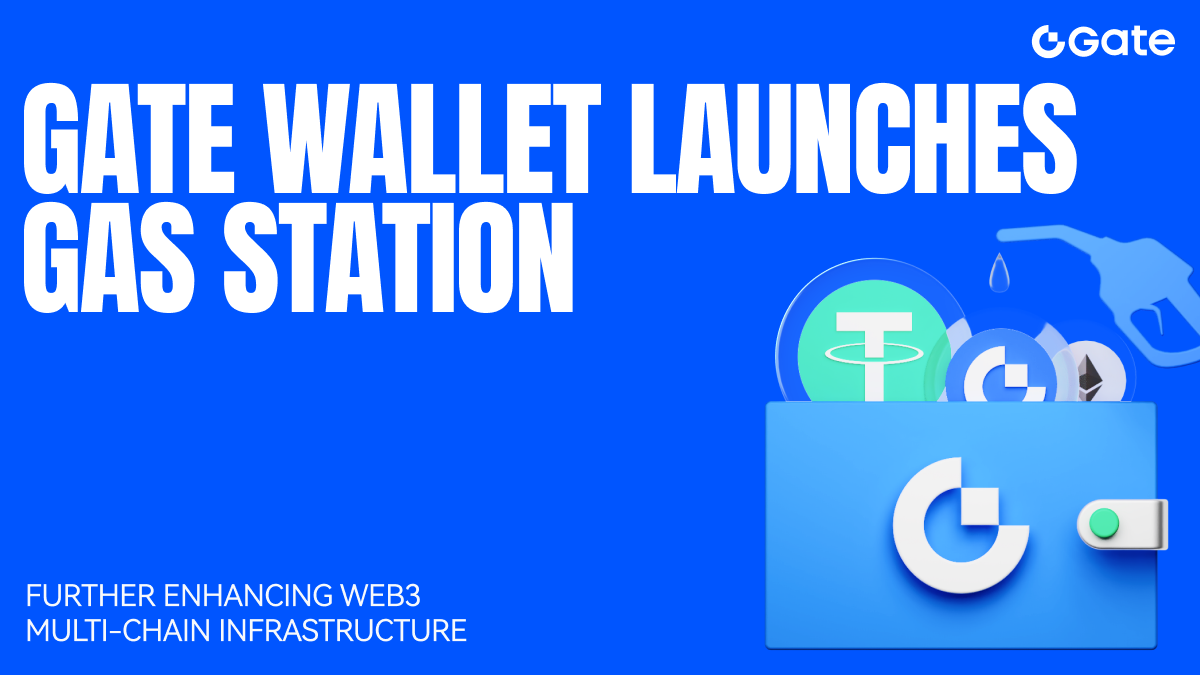
The Gate Gas Station isn’t just a tool for topping up gas—it reimagines the role of gas fees from the account structure up. The system creates a dedicated gas account for each EVM wallet. When users operate on supported networks and run into insufficient native tokens, the platform immediately covers the required fees, ensuring transactions aren’t interrupted.
With this setup, gas fees are no longer a prerequisite users must check before every action. Instead, gas management becomes a fundamental back-end service, allowing users to focus on what they want to do.
One Account, One Multichain World
Gate Gas Station now supports a range of leading EVM networks, including Ethereum, BNB Smart Chain, Arbitrum, Optimism, Base, Polygon, Avalanche, Linea, GateChain EVM, and Gate Layer, with more being added.
Crucially, gas account top-ups are no longer limited to a single native token. Users can fund their gas pool with over 100 popular crypto assets—including GT, USDT, USDC, ETH, and BNB—creating a unified payment pool. This means you don’t have to prepare separate assets for each network when operating across chains. For the first time, multichain management is streamlined into a single account structure.
Friction, Not Technology, Is the Real Barrier to Web3 Adoption
From a product design perspective, Gate’s Gas Station reflects a clear understanding of Web3’s current growth phase: as on-chain activity increases, underlying complexity and resource management should be handled by the platform—not the user.
The closer the process gets to true plug-and-play, the more likely users are to stay engaged. Centralized gas management reduces mental overhead, making the Web3 experience feel more like mainstream online services and less like a tool for engineers.
Full Transparency Without Sacrificing Asset Control
Gate Gas Station is built for transparency and security, maintaining strict traceability. All payment records, account balances, and spending details are available in real time, so users always know exactly where their gas goes. Importantly, the system requires no extra contract approvals—users never have to hand over asset permissions to third parties. The platform only covers gas payments and never interferes with asset control, ensuring both convenience and security.
From Technical Hurdle to User Assurance
Gate Gas Station isn’t just about solving resource problems on a single chain—it transforms fragmented, error-prone gas management into a predictable, visual, and sustainable system. With unified gas accounts, cross-asset top-ups, and instant payments, Gate turns multichain operations from a technical task requiring advance prep into a seamless, everyday experience. This shift removes friction and helps Web3 move beyond niche tool status.
Summary
As multichain becomes the norm in Web3, platform competitiveness is no longer about supporting the most networks—it’s about delivering a stable, smooth, and frictionless user experience. Gate Gas Station stands out by shifting gas management from a user headache to a core platform guarantee, so transactions aren’t stalled by resource shortages. This approach—where the platform absorbs complexity—is a key milestone in bringing Web3 to mainstream adoption.