


Overview
To address the pain points of fund segregation in the Classic Account, the Unified Account builds a one-stop fund management system.
It breaks account barriers by managing assets of spot, cross margin trading, USDT-M Perp, and options under a single account, enabling cross-product margin sharing and eliminating the need for frequent transfers.
It also expands eligible margin sources; in addition to base assets, unrealized PnL and Simple Earn flexible-term subscriptions can be used as margin for opening positions, significantly improving capital efficiency.
Through the "PnL offsetting" mechanism, where profits and losses from different products can offset each other, Unified Account reduces the overall risk. Liquidation within the account is determined by whether the total assets have met the maintenance margin requirement, instead of the PnL of a single asset. Even if some assets are temporarily at a loss, as long as the total assets meet the requirement, liquidation will not be triggered, further enhancing trading security.
Differences in the Scope of Managed Accounts
| Account Mode | Classic Account | Classic Spot Mode (same as Classic Account) |
Single-Currency Margin Mode | Multi-Currency Margin Mode/ Portfolio Margin Mode |
|---|---|---|---|---|
| Unified Account Scope | —— | - Spot Account |
- Unified Account (covering Spot, USDT-M Perp, and Options) | - Unified Account (covering Spot, Cross Margin, USDT-M Perp, and Options) |
| Other Account Scope | Spot Account - Isolated Margin Account - Futures Account (covering USDT-M Perp, Coin-M Perp, Delivery, and Options) |
- Isolated Margin Account - Futures Account (covering USDT-M Perp, Coin-M Perp, Delivery, and Options) |
- Isolated Margin Account - Futures Account (covering Coin-M Perp and Delivery Futures) |
- Isolated Margin Account - Futures Account (covering Coin-M Perp and Delivery Futures) |
Differences in Eligible Collateral Assets
| Account Mode | Classic Account | Unified Account |
|---|---|---|
| Eligible Collateral | A single coin serves as margin within the account of each trading type | Classic Spot Mode (same as Classic Account) A single coin serves as margin within the account of each trading type Single-Currency Margin Mode USDT assets serve as the Unified Account margin Multi-Currency Margin Mode The USD value of multiple coins serves as the Unified Account margin Portfolio Margin Mode The USD value of multiple coins serves as the Unified Account margin |
Differences in Risk Management
| Classic Account | Unified Account | |
|---|---|---|
| Trigger Condition for Order Cancellation | No auto-cancellation mechanism | Available margin is measured using the Initial Margin Ratio (IMR). When the IMR falls below 100%, Auto-Cancel will be triggered. |
| Trigger Condition for Liquidation | Liquidation occurs when the mark price reaches the liquidation price. | Account risk is measured using the Maintenance Margin Ratio (MMR). When the MMR falls below 100%, the liquidation process begins. |
Differences in Account Display
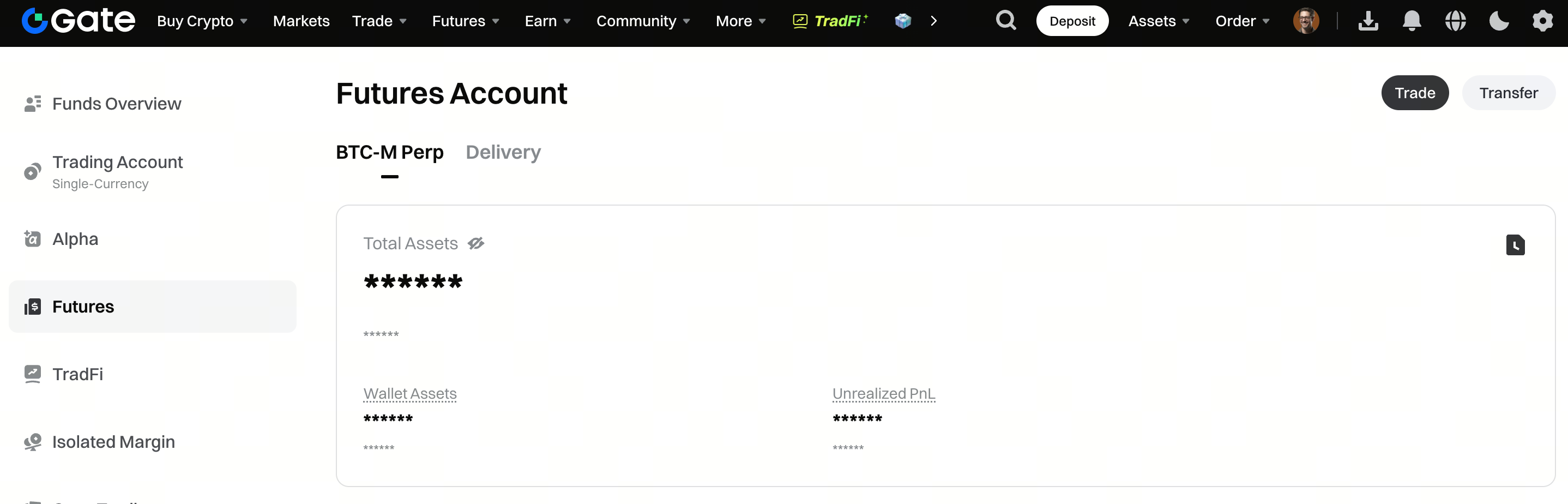
- Before upgrading to the Unified Account, the Assets page displays an upgrade guide. Spot, futures, and isolated margin trading accounts are displayed as separate and independent accounts.
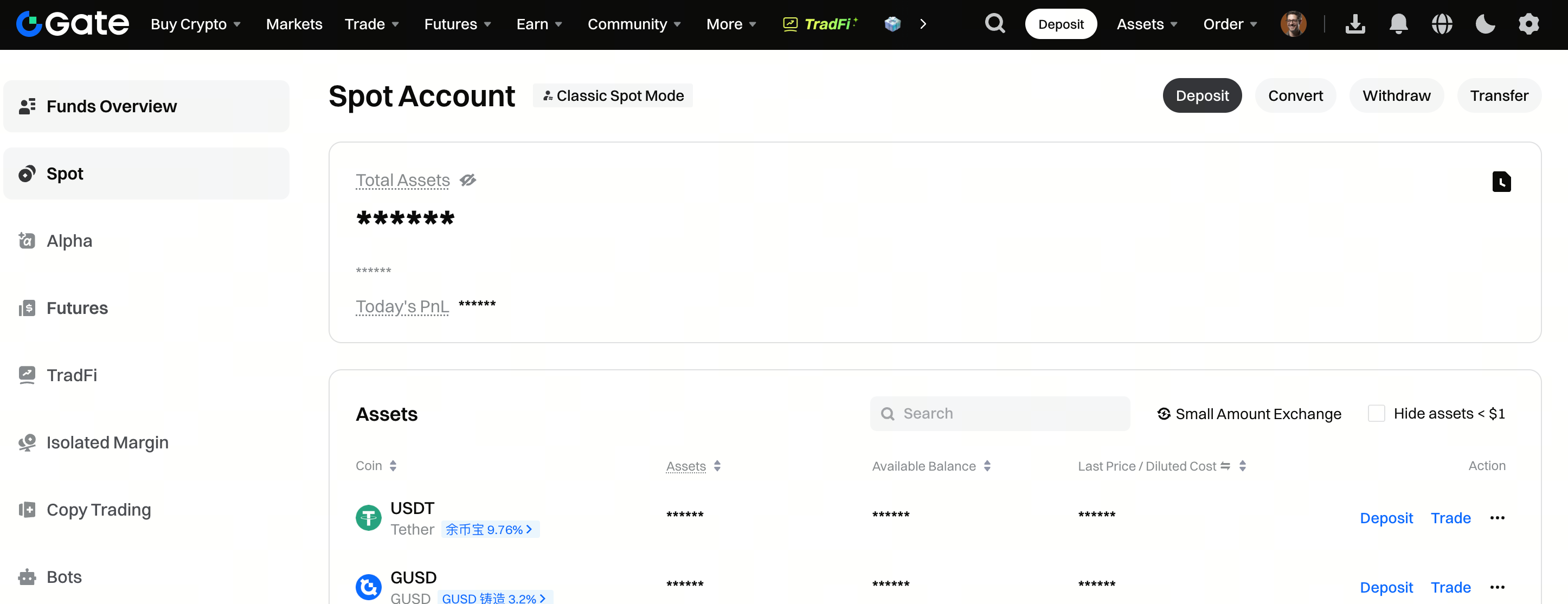
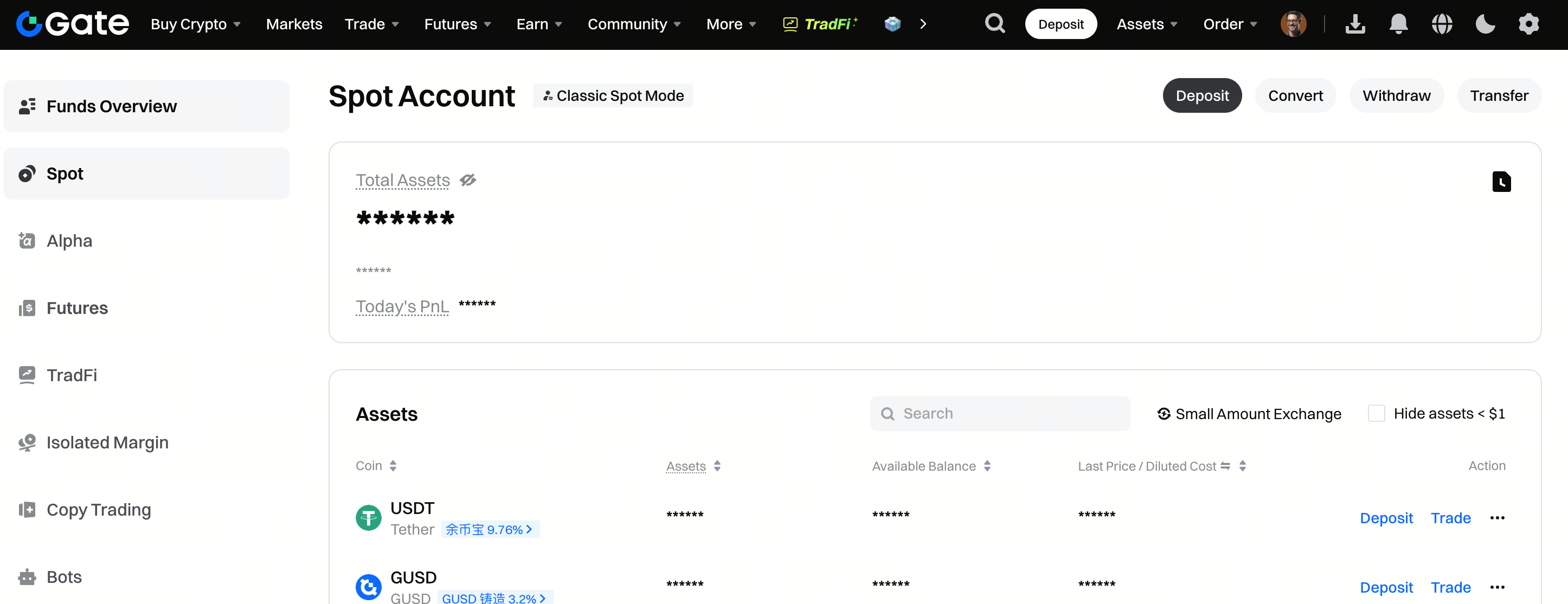
After upgrading, in the Classic Spot Mode, the name of Spot Account remains unchanged, and the account scope still includes spot assets only, but the display of "Classic Spot Mode" is added. USDT-M Perpetual, BTC-M Perpetual, Delivery, and Options in the Futures Account are not included in the Unified Account and require manual transfers.
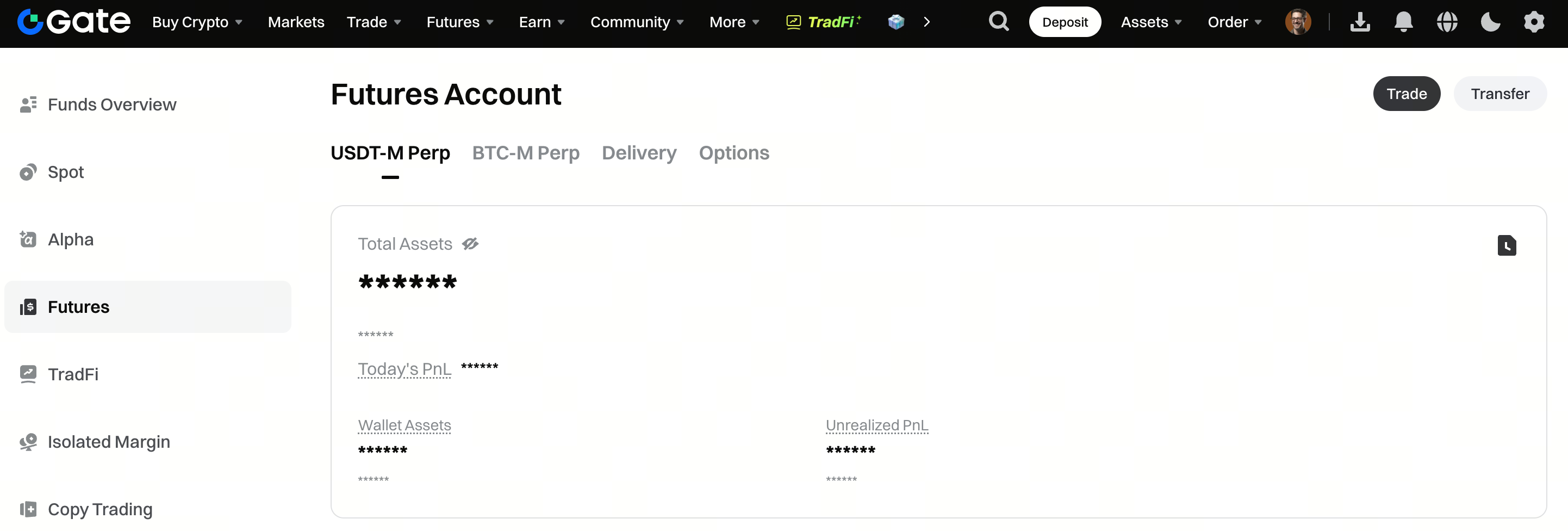
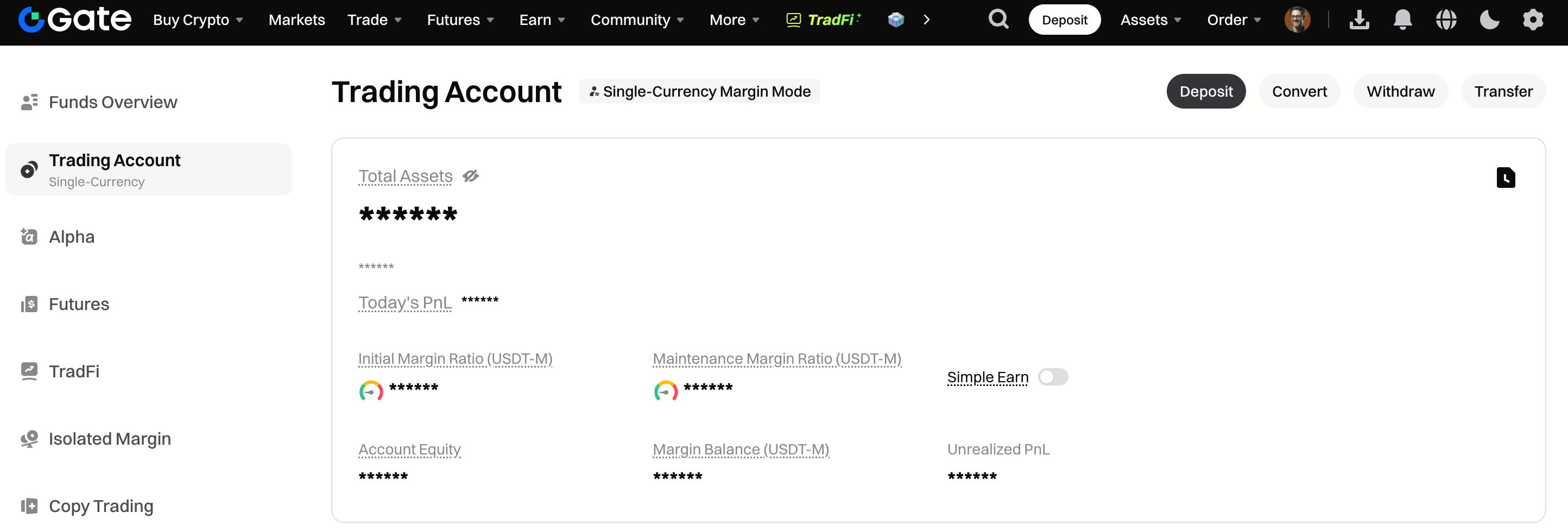
- After upgrading to the Single-Currency Margin Mode, Multi-Currency Margin Mode, or Portfolio Margin Mode, the Unified Account asset page displays key indicators such as Initial Margin Ratio (IMR), Maintenance Margin Ratio (MMR), and margin balance. The account scope now includes spot assets and USDT-M Perpetual and Options assets from the Futures Account. Correspondingly, USDT-M Perpetual and Options assets will not be displayed in the Futures Account.
Differences in Trading Page Display
-
Before upgrading to the Unified Account, the account section on the trading page shows an entry to upgrade. Spot, futures, and options each have separate account panels showing independent balances and assets.

-
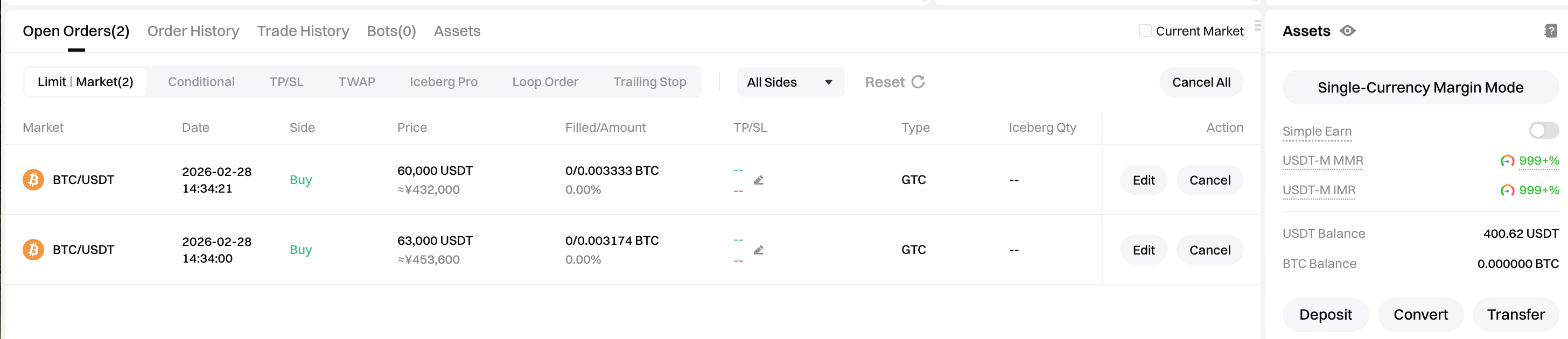
After upgrading to the Classic Spot Mode, the trading page shows the current Unified Account mode. Users can switch modes, and account panels display the same information as before upgrading, with information of different trading types shown independently.

-
After upgrading to the Single-Currency Margin Mode, Multi-Currency Margin Mode, or Portfolio Margin Mode, the trading page displays the current Unified Account mode. Users can switch modes, and the panel prioritizes displaying Unified Account-level information such as IMR and MMR, along with selected field information for certain trading types.
The content provided herein is for reference and educational purposes only and does not constitute any financial, investment, trading, or legal advice, nor does it constitute an offer or solicitation to buy or sell any digital assets. Gate makes no express or implied representations or warranties regarding the accuracy, completeness, or timeliness of the information contained herein. Product features, interfaces, rules, and fee structures may be updated or adjusted at any time. Please refer to the latest announcements and the actual information displayed on the Gate platform for the most accurate details.
Digital asset investments involve significant risk, and prices may fluctuate substantially. You may lose the entire amount of your investment. Please make decisions cautiously based on your own financial situation and risk tolerance after fully understanding the associated risks. If necessary, you are advised to consult an independent professional financial or legal advisor.
For more information about potential risks, please refer to Gate's Risk Disclosure and User Agreement.
