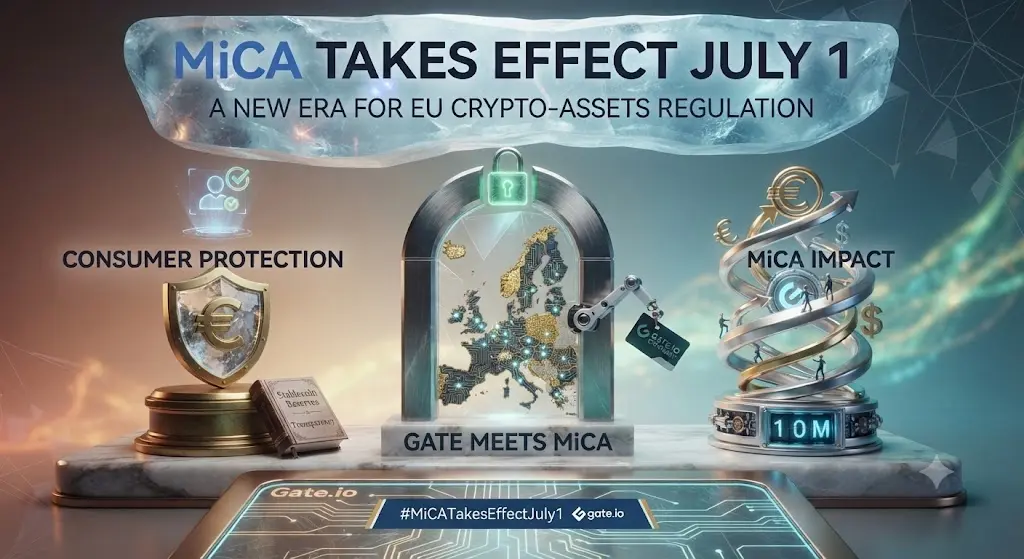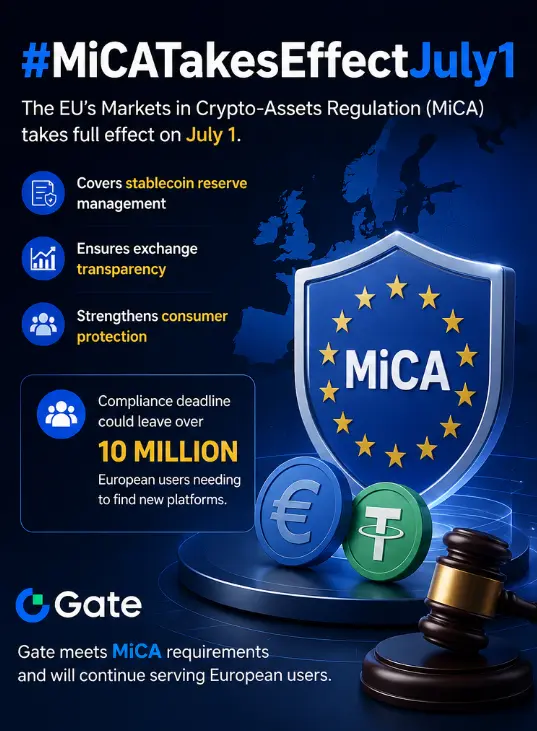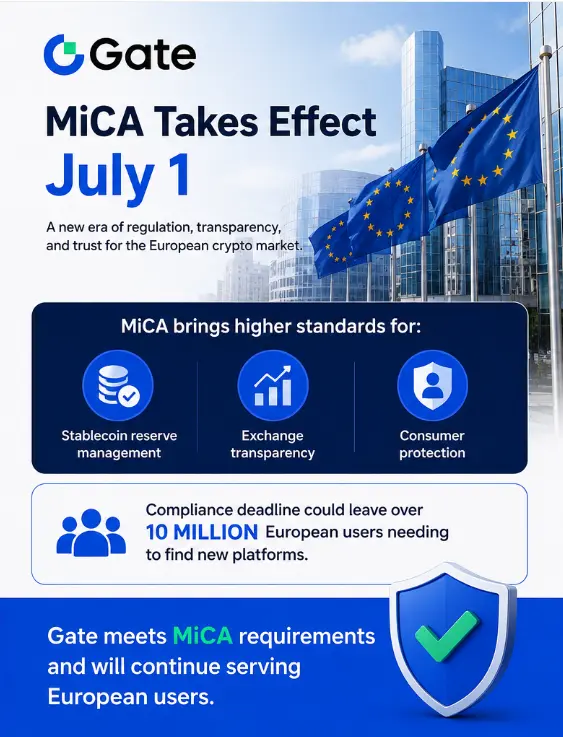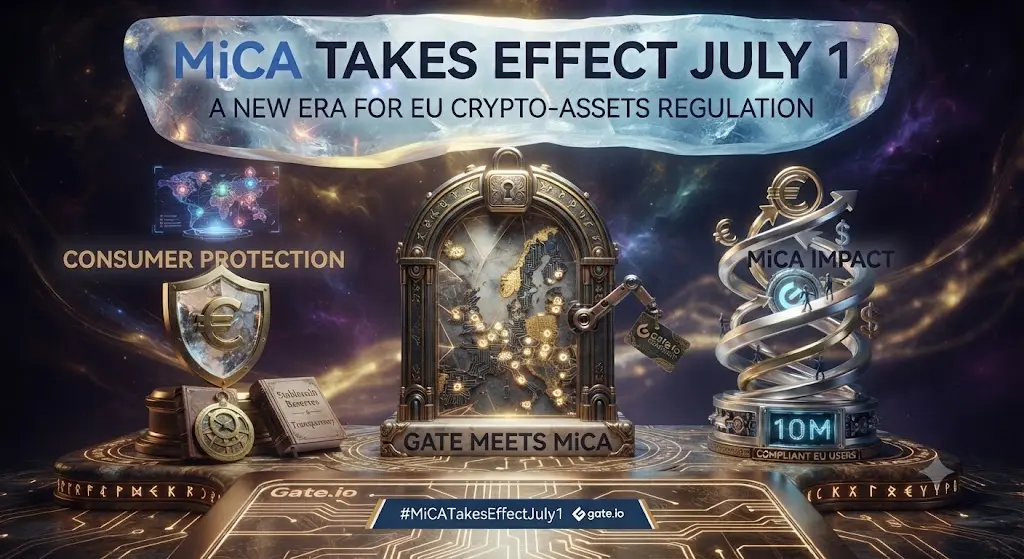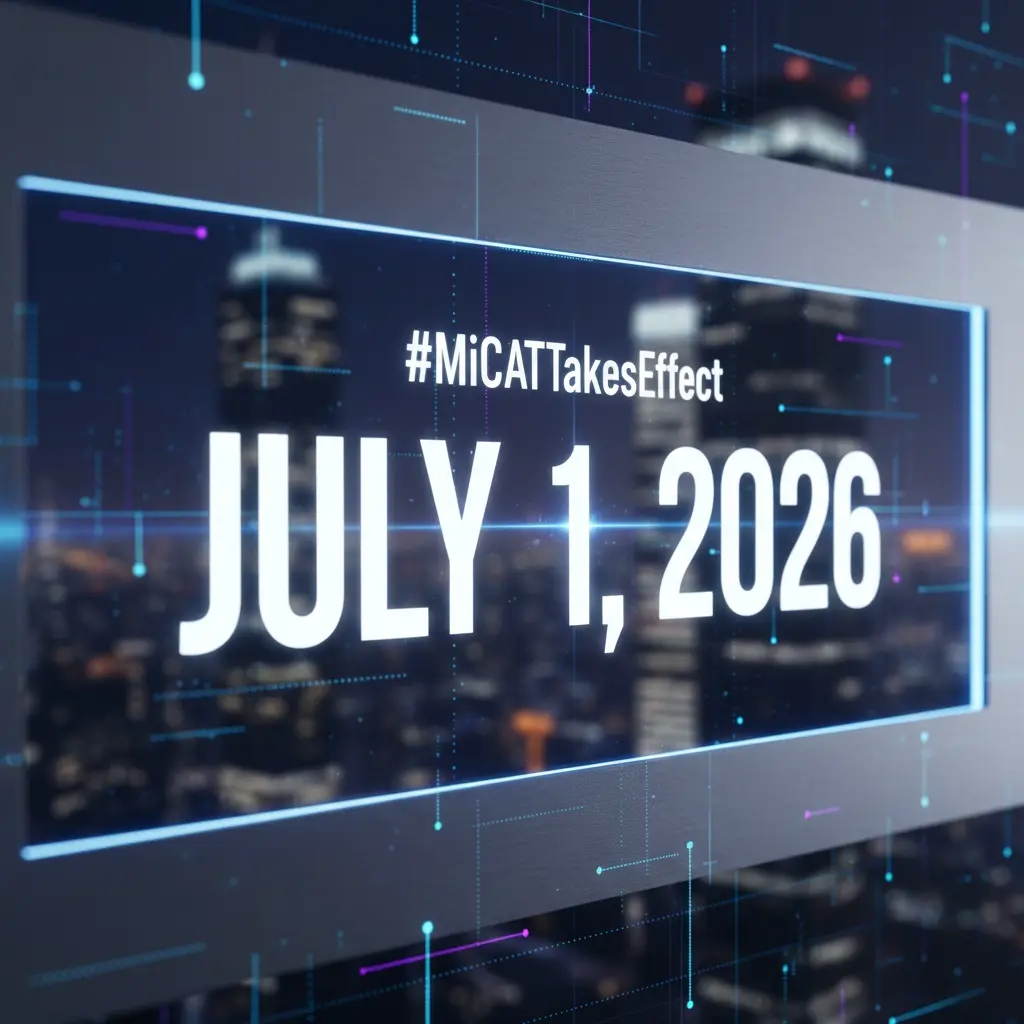

#MiCATakesEffectJuly1
🔥⚖️ 𝗧𝗛𝗘 𝗥𝗨𝗟𝗘𝗦 𝗔𝗥𝗘 𝗖𝗛𝗔𝗡𝗚𝗜𝗡𝗚 • 𝗔𝗗𝗔𝗣𝗧 𝗢𝗥 𝗕𝗘 𝗟𝗘𝗙𝗧 𝗕𝗘𝗛𝗜𝗡𝗗 ⚖️🔥
𝗠𝗶𝗖𝗔 𝗧𝗔𝗞𝗘𝗦 𝗙𝗨𝗟𝗟 𝗘𝗙𝗙𝗘𝗖𝗧: 𝗪𝗛𝗔𝗧 𝗘𝗩𝗘𝗥𝗬 𝗖𝗥𝗬𝗣𝗧𝗢 𝗨𝗦𝗘𝗥 𝗦𝗛𝗢𝗨𝗟𝗗 𝗞𝗡𝗢𝗪 𝗙𝗥𝗢𝗠 𝗝𝗨𝗟𝗬 𝟭
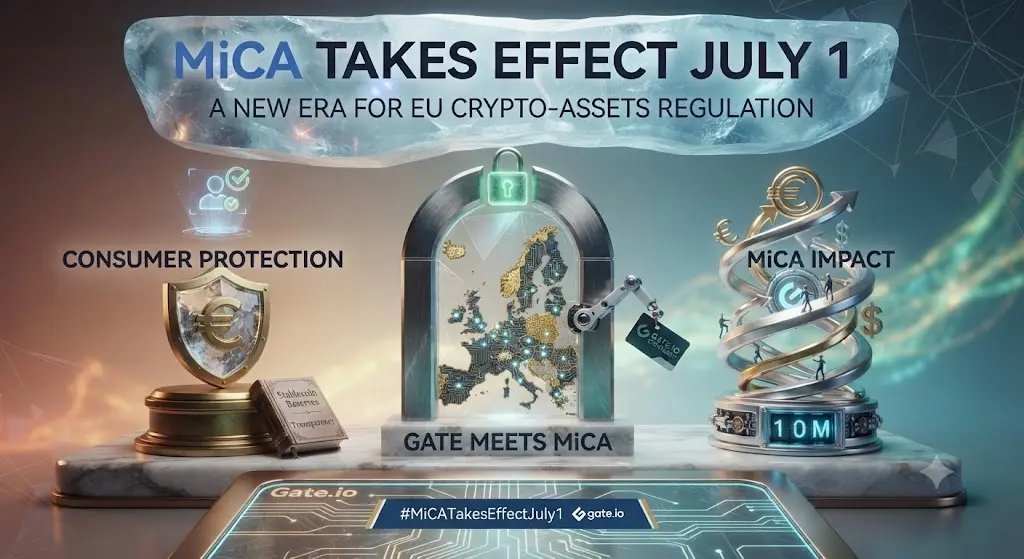
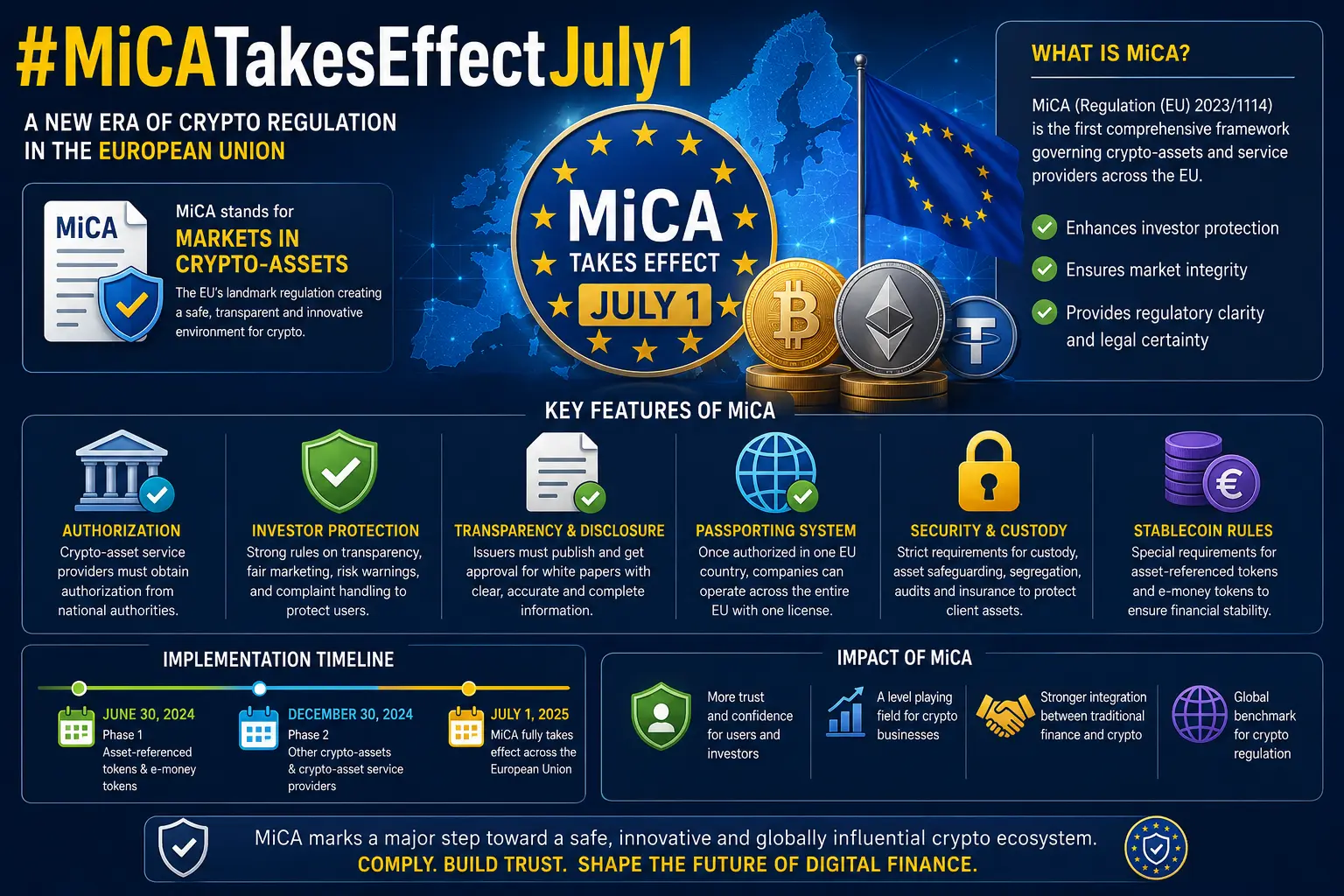
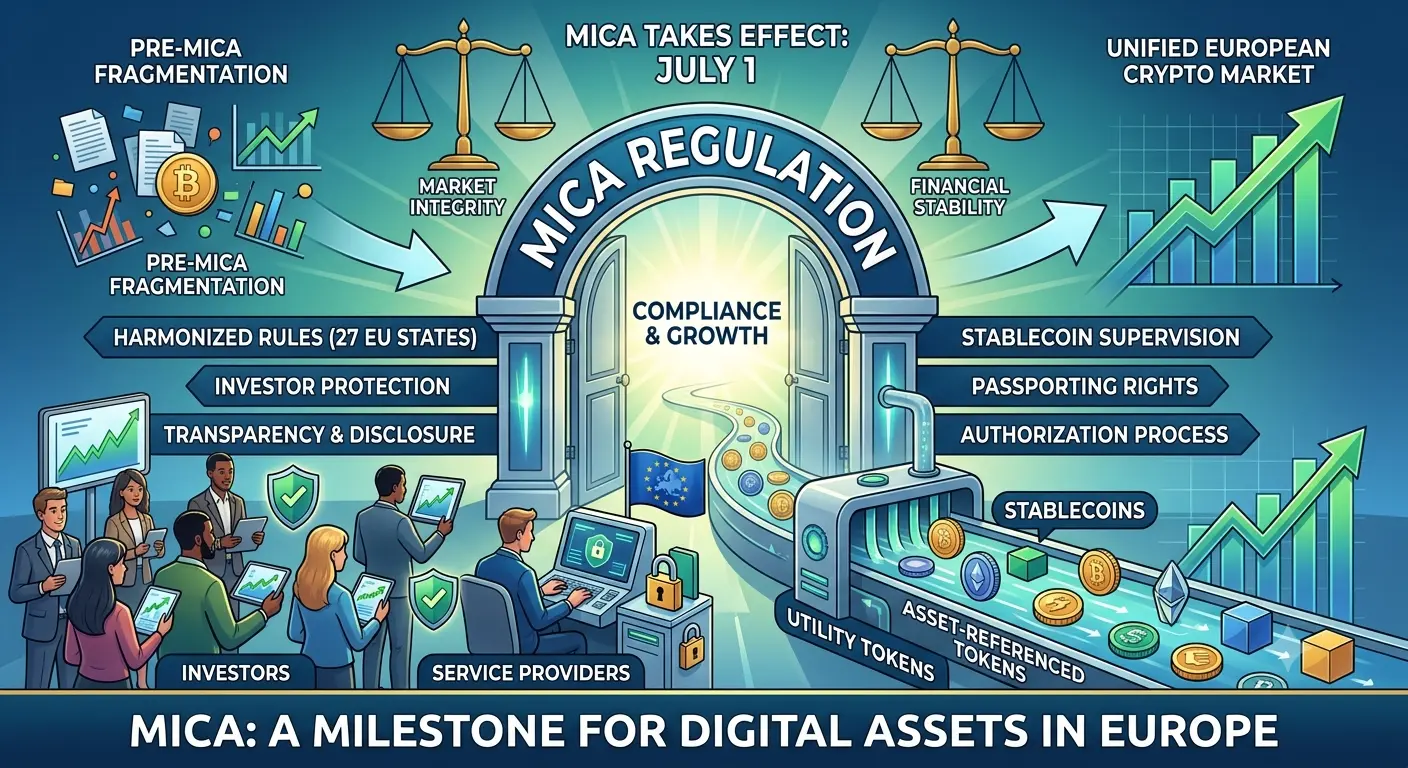
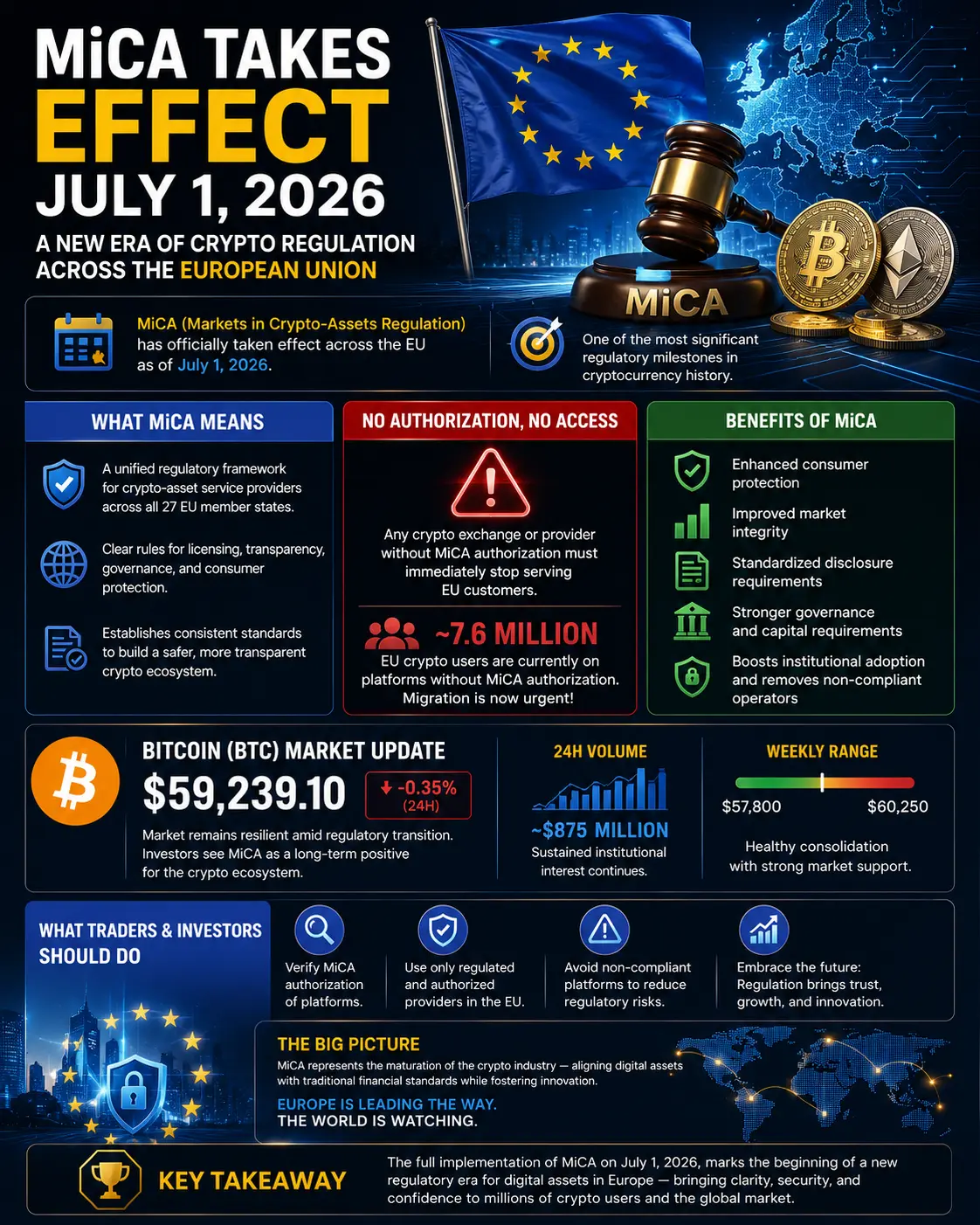
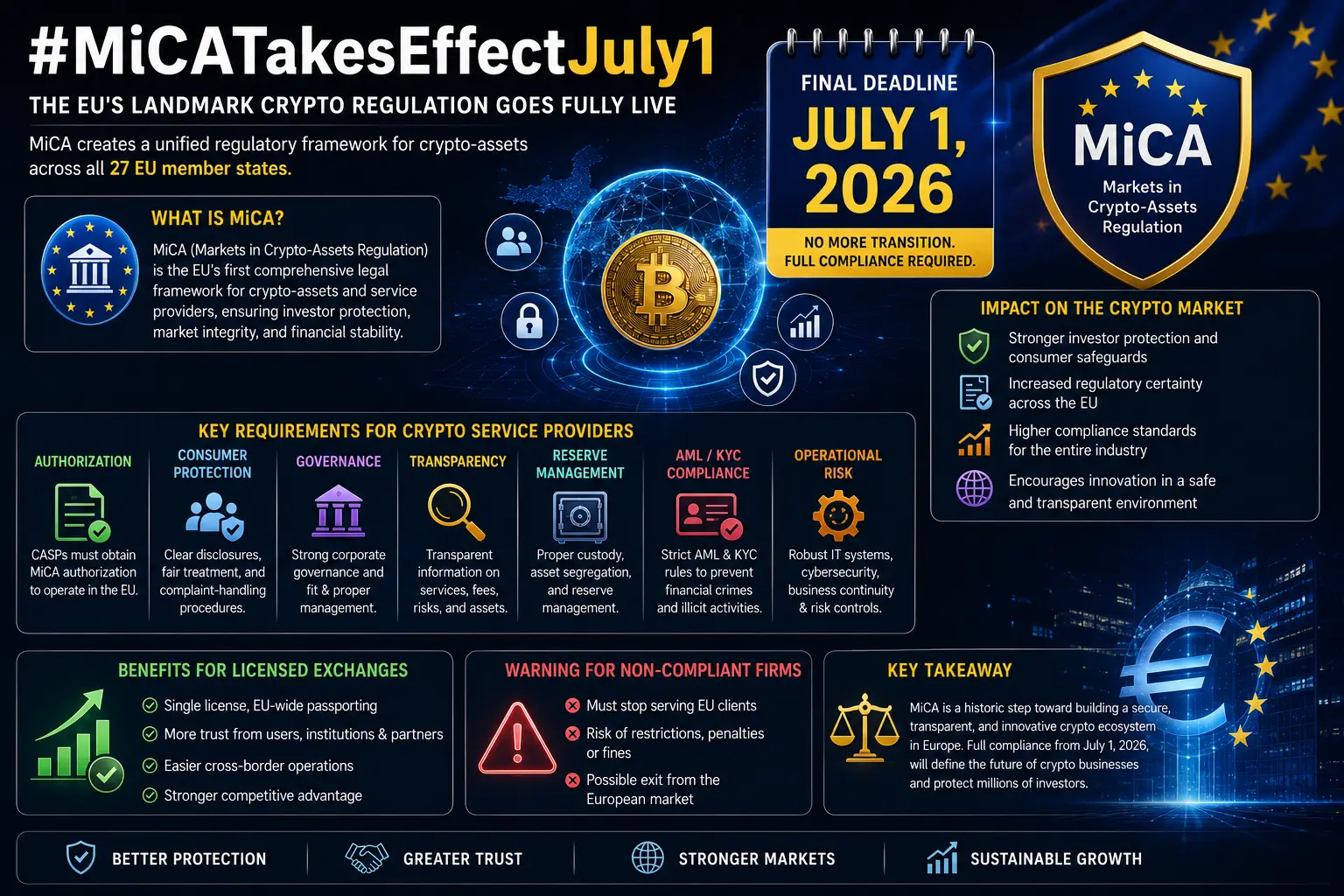
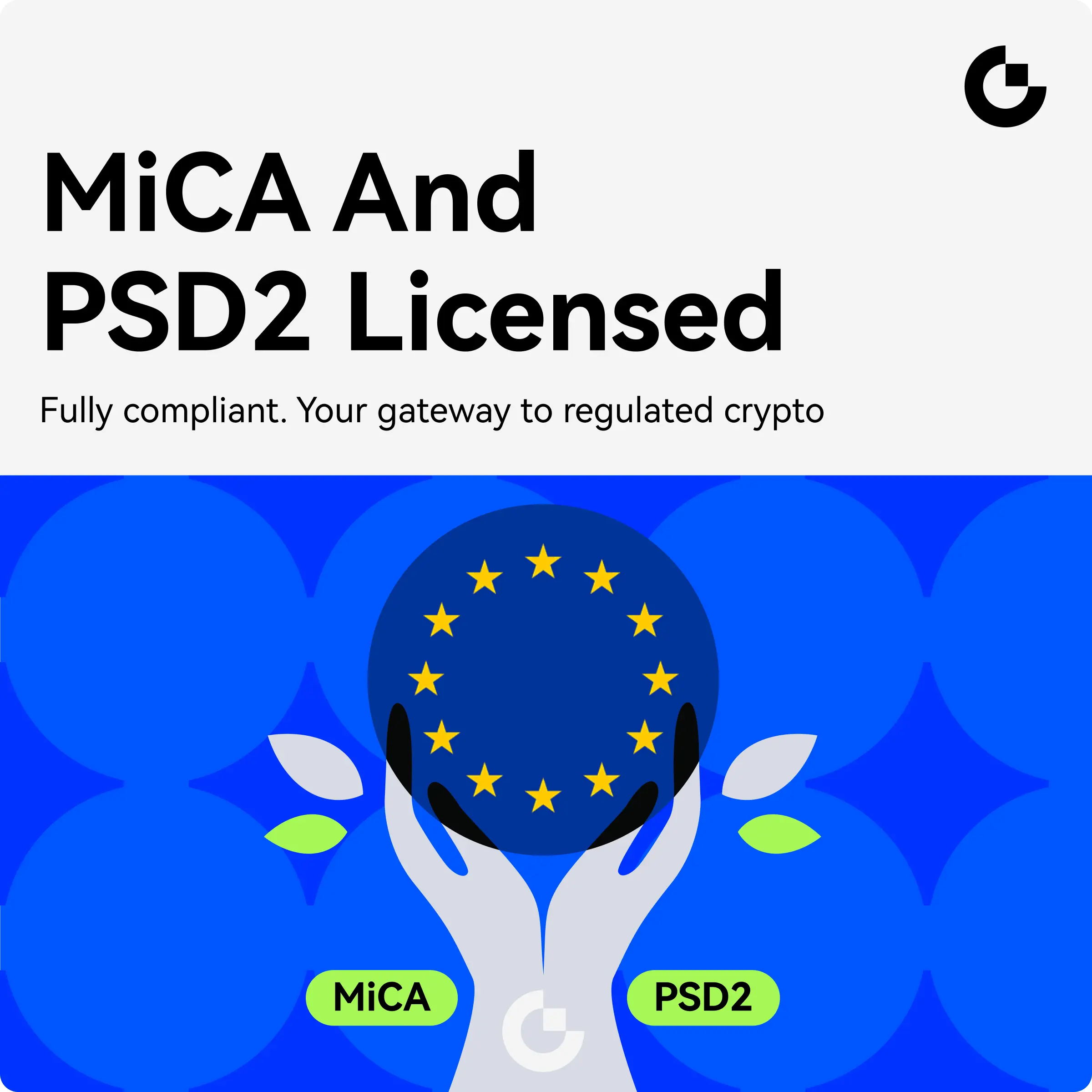
July 1 marks one of the most significant regulatory milestones in the history of the European crypto industry. The European Union's Markets in Crypto-Assets (MiCA) Regulation is now fully in effect, introducing a unified framework for crypto service providers across the EU. Rather than operating under different national rules, companies are expected to meet a common regulatory standard focused on transparency, accountability, and consumer protection.
𝗪𝗛𝗔𝗧 𝗠𝗶𝗖𝗔 𝗖𝗛𝗔𝗡𝗚𝗘𝗦
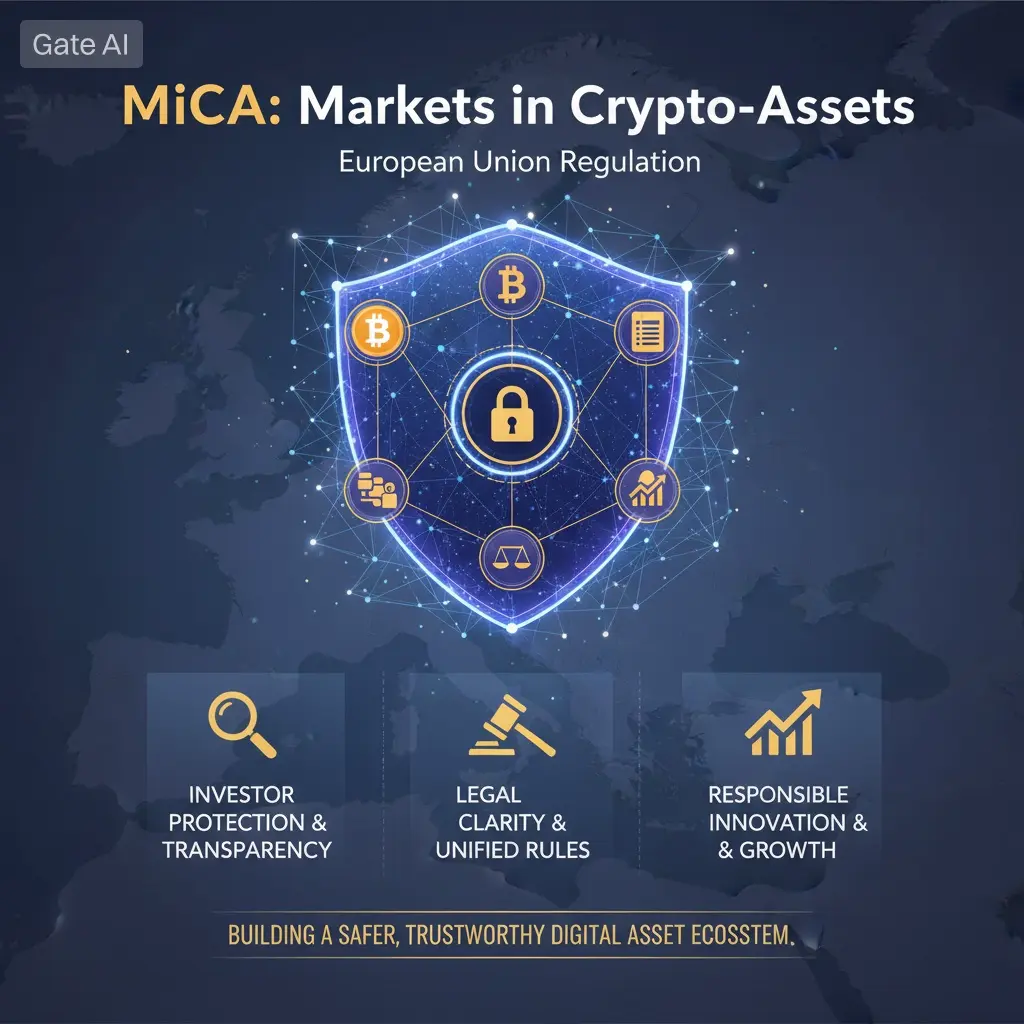
MiCA establishes clearer expectations for crypto exchanges, stablecoin issuers, and other digital asset service providers. Key areas include stronger reserve requirements for stablecoins, improved disclosure obligations, operational risk management, clearer governance standards, and enhanced protections for customers. The objective is to increase confidence in the digital asset ecosystem while reducing risks associated with poorly managed platforms.
For everyday users, these changes are designed to make the crypto market more transparent. Investors should have better access to information about the services they use, the risks involved, and the safeguards implemented by regulated providers.
𝗪𝗛𝗔𝗧 𝗜𝗧 𝗠𝗘𝗔𝗡𝗦 𝗙𝗢𝗥 𝗘𝗨𝗥𝗢𝗣𝗘𝗔𝗡 𝗨𝗦𝗘𝗥𝗦
The transition may not be seamless for everyone. Some platforms that are unable or unwilling to meet MiCA requirements could limit or discontinue services within parts of the European market. As a result, many users may need to review where they trade, store, or transfer digital assets and determine whether their current platform will continue operating under the new regulatory framework.
This highlights an important lesson for every crypto investor: choosing a platform should never be based solely on low fees or attractive promotions. Security, transparency, regulatory readiness, and long-term sustainability are becoming equally important factors.
𝗚𝗔𝗧𝗘'𝗦 𝗣𝗢𝗦𝗜𝗧𝗜𝗢𝗡
According to the information shared, Gate states that it meets MiCA requirements and intends to continue providing services to eligible European users. Users should always monitor official platform announcements for updates regarding regional availability, account requirements, and any changes to supported services.
𝗪𝗛𝗬 𝗧𝗛𝗜𝗦 𝗠𝗔𝗧𝗧𝗘𝗥𝗦 𝗕𝗘𝗬𝗢𝗡𝗗 𝗘𝗨𝗥𝗢𝗣𝗘
Even if you don't live in Europe, MiCA is likely to influence the global crypto industry. Major regulatory frameworks often shape how international exchanges design compliance programs, improve security standards, and expand into new jurisdictions. Other regions may observe MiCA's implementation when developing their own digital asset regulations.
Greater regulatory clarity can also encourage broader institutional participation, although compliance requirements may increase operational costs for some businesses. The long-term impact will depend on how effectively companies adapt while continuing to innovate.
𝗠𝗬 𝗣𝗘𝗥𝗦𝗣𝗘𝗖𝗧𝗜𝗩𝗘
Crypto has entered a new phase where innovation and regulation are expected to coexist rather than compete. Sustainable growth requires both technological advancement and user trust. Regulations alone cannot eliminate risk, but clear rules can help create a healthier environment for legitimate businesses and informed investors.
The most successful crypto users won't simply follow market trends—they'll stay informed about policy changes, understand how regulations affect their assets, and choose platforms that prioritize transparency, security, and responsible operations.
The future of digital assets will not be defined only by the next breakthrough in blockchain technology. It will also be shaped by how effectively the industry builds trust, protects users, and adapts to evolving global standards.
@Gate_Square
🔥⚖️ 𝗧𝗛𝗘 𝗥𝗨𝗟𝗘𝗦 𝗔𝗥𝗘 𝗖𝗛𝗔𝗡𝗚𝗜𝗡𝗚 • 𝗔𝗗𝗔𝗣𝗧 𝗢𝗥 𝗕𝗘 𝗟𝗘𝗙𝗧 𝗕𝗘𝗛𝗜𝗡𝗗 ⚖️🔥
𝗠𝗶𝗖𝗔 𝗧𝗔𝗞𝗘𝗦 𝗙𝗨𝗟𝗟 𝗘𝗙𝗙𝗘𝗖𝗧: 𝗪𝗛𝗔𝗧 𝗘𝗩𝗘𝗥𝗬 𝗖𝗥𝗬𝗣𝗧𝗢 𝗨𝗦𝗘𝗥 𝗦𝗛𝗢𝗨𝗟𝗗 𝗞𝗡𝗢𝗪 𝗙𝗥𝗢𝗠 𝗝𝗨𝗟𝗬 𝟭
July 1 marks one of the most significant regulatory milestones in the history of the European crypto industry. The European Union's Markets in Crypto-Assets (MiCA) Regulation is now fully in effect, introducing a unified framework for crypto service providers across the EU. Rather than operating under different national rules, companies are expected to meet a common regulatory standard focused on transparency, accountability, and consumer protection.
𝗪𝗛𝗔𝗧 𝗠𝗶𝗖𝗔 𝗖𝗛𝗔𝗡𝗚𝗘𝗦
MiCA establishes clearer expectations for crypto exchanges, stablecoin issuers, and other digital asset service providers. Key areas include stronger reserve requirements for stablecoins, improved disclosure obligations, operational risk management, clearer governance standards, and enhanced protections for customers. The objective is to increase confidence in the digital asset ecosystem while reducing risks associated with poorly managed platforms.
For everyday users, these changes are designed to make the crypto market more transparent. Investors should have better access to information about the services they use, the risks involved, and the safeguards implemented by regulated providers.
𝗪𝗛𝗔𝗧 𝗜𝗧 𝗠𝗘𝗔𝗡𝗦 𝗙𝗢𝗥 𝗘𝗨𝗥𝗢𝗣𝗘𝗔𝗡 𝗨𝗦𝗘𝗥𝗦
The transition may not be seamless for everyone. Some platforms that are unable or unwilling to meet MiCA requirements could limit or discontinue services within parts of the European market. As a result, many users may need to review where they trade, store, or transfer digital assets and determine whether their current platform will continue operating under the new regulatory framework.
This highlights an important lesson for every crypto investor: choosing a platform should never be based solely on low fees or attractive promotions. Security, transparency, regulatory readiness, and long-term sustainability are becoming equally important factors.
𝗚𝗔𝗧𝗘'𝗦 𝗣𝗢𝗦𝗜𝗧𝗜𝗢𝗡
According to the information shared, Gate states that it meets MiCA requirements and intends to continue providing services to eligible European users. Users should always monitor official platform announcements for updates regarding regional availability, account requirements, and any changes to supported services.
𝗪𝗛𝗬 𝗧𝗛𝗜𝗦 𝗠𝗔𝗧𝗧𝗘𝗥𝗦 𝗕𝗘𝗬𝗢𝗡𝗗 𝗘𝗨𝗥𝗢𝗣𝗘
Even if you don't live in Europe, MiCA is likely to influence the global crypto industry. Major regulatory frameworks often shape how international exchanges design compliance programs, improve security standards, and expand into new jurisdictions. Other regions may observe MiCA's implementation when developing their own digital asset regulations.
Greater regulatory clarity can also encourage broader institutional participation, although compliance requirements may increase operational costs for some businesses. The long-term impact will depend on how effectively companies adapt while continuing to innovate.
𝗠𝗬 𝗣𝗘𝗥𝗦𝗣𝗘𝗖𝗧𝗜𝗩𝗘
Crypto has entered a new phase where innovation and regulation are expected to coexist rather than compete. Sustainable growth requires both technological advancement and user trust. Regulations alone cannot eliminate risk, but clear rules can help create a healthier environment for legitimate businesses and informed investors.
The most successful crypto users won't simply follow market trends—they'll stay informed about policy changes, understand how regulations affect their assets, and choose platforms that prioritize transparency, security, and responsible operations.
The future of digital assets will not be defined only by the next breakthrough in blockchain technology. It will also be shaped by how effectively the industry builds trust, protects users, and adapts to evolving global standards.
@Gate_Square