مع استمرار العملات المستقرة في التحول من مجرد أدوات لتداول العملات الرقمية إلى مكونات رئيسية في أنظمة الدفع العالمية والبنية التحتية المالية، يبرز التمويل الهجين بسرعة كجسر مبتكر بين التمويل التقليدي وWeb3. تستعرض هذه المقالة بشكل شامل كيفية استفادة Bitso من مدفوعات العملات المستقرة، والشبكات المالية العابرة للحدود، وبنية البلوكشين التحتية لدفع منظومة التمويل الهجين نحو الأمام. كما تتناول المقالة الآثار المحتملة على المدفوعات العالمية، وإدارة خزينة الشركات، وتطور خدمات التمويل في المستقبل.
2026-07-22 10:13:08
مع تزايد اعتماد العملات المستقرة في السوق المالي التقليدي، تتلاشى الفروق بين المؤسسات المالية التقليدية وشركات البلوكشين تدريجيًا. أعلنت Bitso مؤخرًا عن مفهوم التمويل الهجين، مؤكدة أن الخدمات المالية المستقبلية ستعتمد على بنية تحتية مشتركة.
2026-07-22 10:12:14
يمثل التمويل الهجين (混合金融) تحولًا جديدًا في قطاع الخدمات المالية، إذ تتجه الأنظمة التقليدية وعالم العملات الرقمية من التنافس إلى التكامل. يستعرض هذا المقال مفهوم التمويل الهجين الذي تقدمه Bitso، ويحلل كيف يؤدي دمج البلوكشين والعملات المستقرة والبنية التحتية المالية التقليدية إلى تحسين المدفوعات عبر الحدود، وزيادة مرونة حركة رأس المال، ورفع كفاءة الخدمات المالية. كما يتناول المقال أيضًا حالات الاستخدام المستقبلية والتحديات التي قد تصاحب تطور التمويل الهجين.
2026-07-22 10:11:20
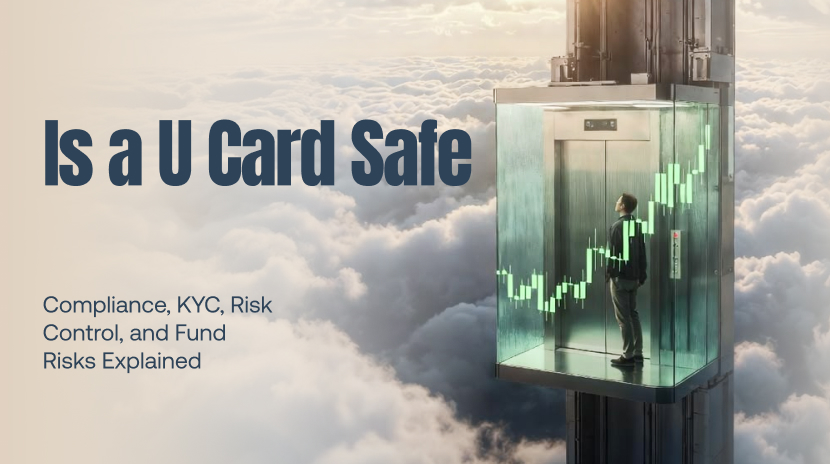
بطاقة U ليست بطبيعتها غير آمنة أو عالية المخاطر. ترتكز السلامة بشكل رئيسي على قدرة الجهة المصدرة على الامتثال، ودعم شبكة الدفع، وضوابط التحكم في المخاطر على الحساب، بالإضافة إلى مسار تمويل المستخدم وإنفاقه. عند تقييم موثوقية بطاقة U، ينبغي التركيز على منطق الحفظ، ومتطلبات التحقق من الهوية (KYC)، والحدود الإقليمية، وشروط تفعيل المخاطر، وطريقة معالجة البيانات الشخصية وبيانات المعاملات.
2026-07-22 01:10:58
تُعد بطاقات U الخيار الأمثل للمدفوعات عبر الحدود، إذ تربط العملات المستقرة أو غيرها من الأصول الرقمية بشبكات البطاقات العالمية، لتغطي الإنفاق الخارجي، والاشتراكات الرقمية، ومدفوعات السفر. بالمقارنة مع التحويلات البنكية التقليدية، تركز بطاقات U على المدفوعات الاستهلاكية المتكررة والصغيرة مع إمكانية إتمام الدفع بشكل شبه فوري؛ بينما تتناسب التحويلات البنكية مع الحسابات ذات المستفيدين المحددين والتحويلات الكبيرة بين الحسابات.
2026-07-22 01:10:07
بطاقات U الافتراضية مثالية للمدفوعات عبر الإنترنت، والاشتراكات، والإصدار السريع؛ أما بطاقات U الفعلية فهي مخصصة للإنفاق في المتاجر، والسفر الدولي، والسحب من أجهزة الصراف الآلي. وتتمثل الفروق الأساسية بينهما في وسيلة الدفع، وطريقة التسليم، وإمكانية السحب النقدي، ومتطلبات المخاطر، ومدى تغطية التجار في العالم الحقيقي.
2026-07-21 03:01:14
عادةً ما تدعم بطاقات U الدفع عبر البطاقة، وقد تتيح أيضًا السحب النقدي من أجهزة الصراف الآلي، لكن الإمكانيات الفعلية تعتمد على نموذج الإصدار، شبكة الدفع، القواعد الإقليمية، وحالة الحساب. يتضمن المسار الكامل في العادة شحن الرصيد بالعملات الرقمية، تحويل الرصيد، تنفيذ الدفع أو السحب، ومراجعة الرسوم، الحدود، التحكم في المخاطر، والفارق السعري للعملات الأجنبية.
2026-07-21 03:00:09
عادةً ما تعتمد بطاقة U على العملات المستقرة أو الأصول الرقمية الأخرى كمصدر للتمويل في المدفوعات الإلكترونية، أو عمليات الشراء داخل المتاجر، وأحيانًا في عمليات السحب النقدي. يتمثل الفرق الأساسي بينها وبين البطاقة المصرفية في طريقة دخول الأموال إلى الحساب وآلية تسوية العمليات؛ أما الفرق الرئيسي عن البطاقة مسبقة الدفع فيكمن في إمكانية الشحن على السلسلة، والملاءمة للمدفوعات العابرة للحدود، والتمويل الأصلي بالعملات الرقمية.
2026-07-21 02:49:31
تعتمد عملية التحويل التقليدية لـWestern Union على تمويل العملات الورقية، والمقاصة عبر البنوك المراسلة، وقنوات بنكية مثل SWIFT، مع تسوية تخضع لساعات العمل وتبعية سلاسل البنوك المراسلة. في المقابل، ينفذ تحويل USDPT أولاً نقل الرموز المربوطة بالدولار على بلوكشين Solana، ثم يتصل بشبكة الصرف النقدي العالمية لـWestern Union عبر شبكة الأصول الرقمية. يشترك المساران في متطلبات الامتثال للتحقق من الهوية (KYC) ومكافحة غسل الأموال، لكنهما يختلفان في عدد الخطوات الوسيطة، وقابلية التتبع على السلسلة، وقدرة التسوية المستمرة على مدار الساعة.
2026-07-20 12:09:12
يُصدر رمز الدفع بالدولار الأمريكي (USDPT) على بلوكشين سولانا بواسطة مصرف Anchorage Digital Bank, N.A.، وهو مصرف ائتماني وطني يحمل ترخيصًا فيدراليًا في الولايات المتحدة. كل وحدة من USDPT مدعومة بقيمة مكافئة من احتياطيات الدولار الأمريكي. تتولى ويسترن يونيون إدارة توزيع شبكة الأصول الرقمية وشبكة الصرف النقدي العالمية، وتشمل خططها تغطية البورصات، وعمليات السحب النقدي عبر مواقع وكلائها، والمحافظ ذاتية الحفظ المرتبطة ببطاقات فيزا، بالإضافة إلى تحصيل الحوالات. USDPT غير مؤمن من قبل المؤسسة الفيدرالية للتأمين على الودائع (FDIC) ولا تضمنه الحكومة الأمريكية.
2026-07-20 12:08:44
يصدر كل رمز USDPT مقابل احتياطي مماثل من الدولار الأمريكي لدى مصرف Anchorage Digital Bank، الذي تتكون أصوله بشكل أساسي من الودائع تحت الطلب، وأذون الخزانة الأمريكية، وما يعادل النقد. ويعبر الربط بنسبة 1:1 عن علاقة قيمة اسمية تُحافظ عليها عبر آلية السك والاسترداد. لا يخضع USDPT لتأمين المؤسسة الفيدرالية للتأمين على الودائع (FDIC)، كما أنه غير مدعوم من وزارة الخزانة الأمريكية أو الاحتياطي الفيدرالي.
2026-07-20 11:56:12
تتضمن عملية استرداد USDPT أربع خطوات: الحصول على USDPT من بورصة شريكة، ثم الاحتفاظ به أو نقله على بلوكشين سولانا، يليها تقديم طلب استرداد عبر شبكة الأصول الرقمية، وأخيرًا تحصيل العملات الورقية المحلية من مواقع وكلاء Western Union. تتولى Anchorage Digital Bank إدارة عملية السك والاحتياطيات، فيما تشرف Western Union على التوزيع والسحب النقدي المباشر؛ وتختلف إتاحة كل خطوة حسب التصريح أو الترخيص في كل سوق، مع العلم أن USDPT غير مشمولة بتأمين FDIC.
2026-07-20 11:43:19
يتم إصدار واسترداد رموز USDPT على السلسلة حصريًا عبر مصرف Anchorage Digital Bank, N.A. الحاصل على ترخيص من OCC. فبمجرد تأكيد إيداع الدولار الأمريكي (USD)، تُسَكّ رموز SPL على شبكة Solana بنسبة 1:1. وعند الاسترداد، تُحرق الرموز الموجودة على السلسلة ويُفرَج عن احتياطيات الدولار الأمريكي المقابلة. تدير Western Union شبكة التوزيع والسحب النقدي، ولا تعمل بصفة المُصدر. ولا يخضع USDPT لتأمين FDIC أو لضمان الحكومة الأمريكية.
2026-07-20 11:42:43
تصدر عملة USDPT من بنك Anchorage Digital Bank على شبكة Solana، وتتصل بشبكة السحب النقدي لشركة Western Union. أما عملتا USDC وUSDT فتصدران أصلاً عبر سلاسل متعددة؛ الأولى عن طريق الكيان الخاضع للتنظيم لـ Circle بتركيز على السيولة المؤسسية والتمويل اللامركزي (DeFi)، والثانية عن طريق Tether بتركيز على تسوية Operar. وتشترك العملات المستقرة الثلاث في آلية ربط واحدة، مع اختلاف فقط في جهة الإصدار، وتغطية السلسلة، وقنوات الاسترداد.
2026-07-20 11:40:33
الجوهر الأساسي لشريك شبكة الدولار العالمي (GDN) Rendite يكمن في توزيع العائد الناتج عن أصول احتياطيات USDG على المساهمين في تعزيز اعتماد الشبكة، بدلاً من حصره لدى المُصدر وحده. الأدوار الثلاثة — الاحتفاظ، السك، القبول — تطابق ثلاث مساهمات: الاحتفاظ بالأرصدة، سك الزيادات، وقبول المدفوعات على التوالي. يمكن للشركاء الانضمام منفردين أو مجتمعين، ليحصلوا على مشاركات احتياطية من Rendite وحوافز إضافية بحسب دورهم.
2026-07-20 11:12:59