A medida que los proyectos de entretenimiento Web3 se vuelven más complejos, cada vez más ecosistemas de GameFi y entretenimiento con IA adoptan un “modelo de dos tokens”. El objetivo principal de esta estructura es separar el ecosistema de contenido de la red subyacente, otorgando a cada módulo su propio sistema económico independiente. La estructura de dos tokens de My Pet Hooligan también muestra cómo la industria del entretenimiento Web3 evoluciona de un modelo de un solo token a un ecosistema en capas.
Desde una perspectiva sectorial, el modelo de dos tokens ya no se limita a los juegos en cadena tradicionales. Ahora se usa ampliamente en proyectos de IA, identidad digital y entretenimiento transmedia. La distinción entre HOOLI y KARRAT representa esencialmente una división funcional entre la “capa de contenido de entretenimiento” y la “capa de infraestructura”.
¿Qué es HOOLI?
HOOLI es el token de entretenimiento e interacción dentro del ecosistema de My Pet Hooligan, diseñado para escenarios de juego, comunidad y propiedad intelectual digital. A diferencia de los tokens de infraestructura centrados en la gobernanza de la red, HOOLI es un activo de economía de contenido orientado al usuario.
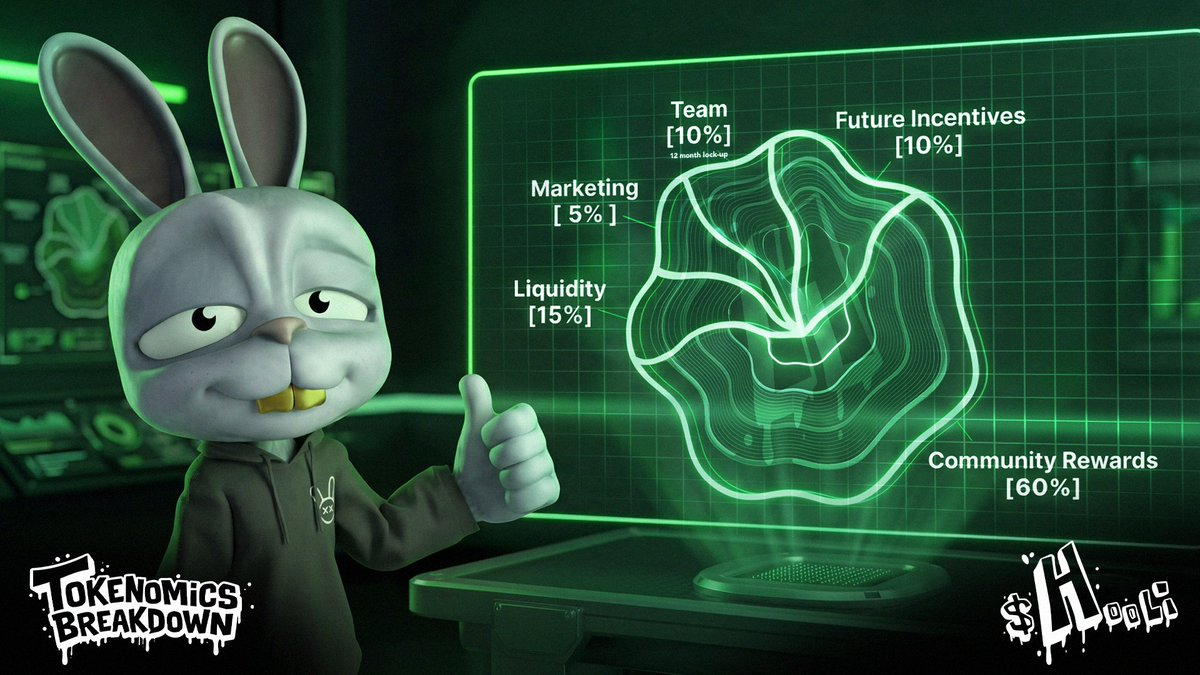
A medida que My Pet Hooligan se expande de un proyecto puramente de juego a animación, personajes virtuales con IA y un ecosistema de entretenimiento transmedia, el papel de HOOLI va más allá del de un token típico de juego en cadena. En el futuro, sus casos de uso podrían abarcar interacciones dentro del juego, circulación de NFT, eventos comunitarios y consumo de contenido digital.
La lógica central de HOOLI es construir un sistema de participación de usuarios en torno a la propiedad intelectual del personaje “Hooligan”. A diferencia de muchos proyectos GameFi que priorizan modelos financieros, My Pet Hooligan enfatiza la cultura del personaje y la experiencia de entretenimiento, lo que otorga a HOOLI una identidad de propiedad intelectual de entretenimiento más sólida.
¿Qué es KARRAT?
KARRAT es el token de infraestructura de Studio Chain, la columna vertebral de My Pet Hooligan. Gestiona la gobernanza de la red, los pagos de Gas y las operaciones subyacentes del ecosistema.
Mientras que HOOLI atiende al contenido del lado del usuario, KARRAT está firmemente arraigado en la capa de infraestructura on-chain. Su propósito principal es respaldar la operación a largo plazo de Studio Chain y proporcionar la potencia de red fundamental para todo el ecosistema de entretenimiento.
KARRAT funciona de manera similar a los tokens de protocolo en proyectos tradicionales de Capa 2 o infraestructura. Las futuras transacciones, la gobernanza y el crecimiento del ecosistema en Studio Chain probablemente dependerán de KARRAT.
Esta estructura muestra que My Pet Hooligan no es solo un juego en cadena simple: busca construir una infraestructura de entretenimiento Web3 completa. Mientras que el GameFi tradicional se centra en economías de juego a corto plazo, la existencia de KARRAT demuestra el compromiso del proyecto con un ecosistema de entretenimiento on-chain a largo plazo.
¿Por qué My Pet Hooligan usa una estructura de dos tokens?
My Pet Hooligan adopta el modelo de dos tokens porque los proyectos de entretenimiento Web3 suelen implicar múltiples capas: economías de juego, circulación de NFT, incentivos comunitarios, gobernanza on-chain y operaciones de infraestructura.
Depender de un solo token para todas estas funciones a menudo genera complejidad económica. Por ejemplo, cuando la actividad del usuario, el consumo de Gas y las recompensas del juego afectan al mismo activo, puede aumentar la volatilidad del token y ejercer presión sobre el ecosistema.
Al usar una estructura en capas de HOOLI y KARRAT, My Pet Hooligan asigna la interacción del usuario y el consumo de entretenimiento a HOOLI, mientras que la gobernanza de la red y la infraestructura recaen en KARRAT.
Este enfoque permite que cada módulo del ecosistema se desarrolle de forma independiente. Para proyectos de entretenimiento a largo plazo, este modelo favorece la escalabilidad, ya que el contenido de entretenimiento y la red subyacente operan con lógicas diferentes.
¿Cuáles son las diferencias clave entre HOOLI y KARRAT?
La diferencia más fundamental es que HOOLI y KARRAT sirven a capas distintas del ecosistema.
HOOLI está orientado al usuario: se centra en interacciones de juego, participación comunitaria y consumo de contenido digital. KARRAT, en cambio, está orientado al protocolo y gestiona la gobernanza de Studio Chain y las operaciones de la red.
En términos simples, HOOLI es un activo de capa de aplicación dentro del ecosistema de entretenimiento, mientras que KARRAT es el activo de red subyacente.
Su lógica económica también difiere. HOOLI enfatiza el consumo de contenido y la actividad del usuario, con una demanda impulsada por la interacción comunitaria y el entretenimiento. KARRAT se centra más en las operaciones on-chain, con una demanda que surge de la gobernanza de la red, los pagos de Gas y el uso de la infraestructura.
¿Qué papel juega Studio Chain en el sistema de dos tokens?
Studio Chain es la infraestructura de Capa 2 dentro del ecosistema de My Pet Hooligan y un escenario de aplicación clave para KARRAT.
A diferencia de las redes blockchain tradicionales centradas en transacciones financieras, Studio Chain prioriza el entretenimiento y el ecosistema de contenido digital. Sus objetivos de diseño incluyen respaldar la circulación de NFT y activos de juego, proporcionar identidades on-chain para personajes virtuales con IA y habilitar una futura economía de creadores.
Dentro de este marco, KARRAT mantiene las operaciones de la red, mientras que HOOLI gestiona las interacciones de entretenimiento del lado del usuario. Esto hace de My Pet Hooligan una «red de entretenimiento digital» más que un juego en cadena tradicional.
¿Cuáles son las ventajas y limitaciones de la estructura de dos tokens?
La mayor ventaja de la estructura de dos tokens es que reduce la carga económica que recae sobre un solo token que maneja todas las funciones. Para proyectos de entretenimiento, el consumo del juego, la gobernanza, el Gas y las recompensas comunitarias siguen lógicas diferentes. Usar un solo activo para todo puede complicar excesivamente el modelo económico.
Con una estructura en capas, la interacción de contenido y las operaciones de infraestructura pueden evolucionar de forma independiente. Por ejemplo, un aumento de usuarios del juego puede no afectar directamente los costos de gobernanza de la red, y una actualización de la red subyacente puede no alterar el ecosistema de contenido de entretenimiento.
Sin embargo, el modelo de dos tokens tiene limitaciones. En comparación con una estructura de un solo token, impone mayores costos de comprensión para el usuario y una mayor complejidad económica. Además, las dos clases de tokens requieren un desarrollo coordinado a largo plazo para evitar la fragmentación del ecosistema.
Resumen
HOOLI y KARRAT forman el sistema de dos tokens dentro del ecosistema de My Pet Hooligan, pero cumplen funciones distintas. HOOLI se centra en interacciones de juego, contenido de entretenimiento y economía comunitaria, mientras que KARRAT gestiona la gobernanza de Studio Chain, el Gas y las operaciones de infraestructura.
Preguntas frecuentes
¿Por qué My Pet Hooligan usa un modelo de dos tokens?
La estructura de dos tokens separa la capa de contenido de entretenimiento de la capa de infraestructura, reduciendo la tensión económica de un solo token que intenta manejar todo.
¿Cuál token, HOOLI o KARRAT, está más orientado al juego?
HOOLI está más orientado al juego y al usuario, mientras que KARRAT se centra en las operaciones subyacentes de la red.
¿Cuál es la relación entre Studio Chain y KARRAT?
Studio Chain es la infraestructura de Capa 2 de My Pet Hooligan, y KARRAT es su token principal de gobernanza y Gas.
¿Cuáles son los riesgos de la estructura de dos tokens?
El modelo de dos tokens puede aumentar los costos de comprensión para el usuario y plantea mayores exigencias para las operaciones del ecosistema a largo plazo y la coordinación económica.